
Water Damage Pros Tennessee Water Damage Pros Tennessee
Get Estimate

Water Damage in Philadelphia? We Extract, Dry, and Restore It

When water is pooling in your Philadelphia home or business, every minute counts. Water Damage in Philadelphia from our team means a crew that knows the local building stock, the clay soil, and the freeze-thaw cycles that cause half the calls we run. We extract standing water, dry the structure with industrial air movers and dehumidifiers, and document everything for your insurance claim. One call, and we are on the way.

Call Now Get Free Estimate
Emergency response IICRC certified techs Jobs completed
Licensed Licensed & Bonded
Fully Insured Insured & Bonded
24/7 Emergency Same-Day Response
Warranty Backed Workmanship Guaranteed in Philadelphia
Philadelphia

Water Damage in Philadelphia: Local Crews Who Know This Ground


Philadelphia, Tennessee sits in a pocket of Loudon County where the soil holds water longer than most homeowners expect. That means when a sump pump fails or a supply line lets go, the water does not just sit on the surface. It wicks into crawl spaces, saturates subfloor, and starts feeding mold within 24 to 48 hours. Our technicians live and work in this region. We have pulled wet insulation out of homes near Philadelphia Elementary, dried commercial floors along Highway 11, and replaced baseboards in houses where a slab leak had been quietly running for weeks. Water Damage in Philadelphia is not a side job for us. It is what we do every week. We carry moisture meters, thermal imaging cameras, and truck-mounted extraction units so we can find the source, remove the water, and dry the structure in one coordinated visit. If you are dealing with a flooded basement, a sewage backup, or storm water that found its way under your door, call us. We will tell you what we see and what it takes to fix it.

  • Locally licensed and insured in Philadelphia
  • Same-day diagnostics and written estimates
  • Real workmanship warranty in writing
  • Background-checked, in-house technicians

Water Damage Services Available in Philadelphia

Philadelphia sees its share of water damage from every angle: frozen pipes in January, storm runoff in April, and sump pump failures in July. We bring the full range of restoration services to this city, from emergency extraction to mold remediation. If you are searching for water damage restoration near me in Philadelphia, this is the crew that answers the phone and shows up with the right equipment.

Water Damage Restoration

Water Damage Restoration

We handle full-scope restoration for Philadelphia homes and businesses, from the first extraction to the final coat of paint. Our IICRC-certified technicians assess the damage with moisture meters and thermal imaging, then build a drying plan that fits the structure. We work with your insurance adjuster and document every step.

View Details
Emergency Water Removal

Emergency Water Removal

When water is rising in your Philadelphia basement or creeping across your commercial floor, we respond 24/7. Our trucks carry truck-mounted extraction units and portable pumps. We remove standing water fast, then set up drying equipment before we leave. One call gets a crew headed your way.

View Details
Water Extraction

Water Extraction

Standing water is only part of the problem. Water hides in carpet padding, subfloor, and wall cavities. We use weighted extraction tools and wet/dry vacuums to pull water from materials that look dry on the surface. In Philadelphia, where humidity can stay high for days, fast extraction is the difference between a quick dry and a mold job.

View Details
Flood Damage Cleanup

Flood Damage Cleanup

Floodwater carries silt, bacteria, and whatever it picked up on the way in. We treat every flood job in Philadelphia as a contamination event. That means antimicrobial spray, proper disposal of porous materials, and a drying protocol that accounts for the mess floodwater leaves behind. We do not just dry it. We clean it.

View Details
Basement Water Removal

Basement Water Removal

Philadelphia basements flood for a few predictable reasons: failed sump pumps, cracked foundations, and poor grading. We pump out the water, find the entry point, and dry the space with industrial air movers and dehumidifiers. If your basement has flooded before, we can also talk through prevention options that fit your budget.

View Details
Sewage Backup Cleanup

Sewage Backup Cleanup

A sewage backup is not a regular water spill. It is a health hazard. We suit up, remove the contaminated water, and disinfect every surface the sewage touched. In Philadelphia, where older sewer lines can back up during heavy rain, we see this most often in basements and ground-floor bathrooms. We handle the cleanup so you do not have to.

View Details
Crawl Space Water Removal

Crawl Space Water Removal

Crawl spaces in Philadelphia often stay wet long after the rain stops. That trapped moisture rots floor joists, feeds mold, and drives up your energy bills. We remove the water, dry the space with desiccant dehumidifiers, and install vapor barrier where it is missing. If your floors feel spongy or your house smells musty, the crawl space is the first place we look.

View Details
Storm Damage Restoration

Storm Damage Restoration

East Tennessee storms can drop a lot of water in a short time. When wind drives rain under shingles or a downed tree opens your roof, we tarp the structure, extract the water, and dry what is wet. We also handle the interior repairs once the drying is complete. One crew from start to finish.

View Details
Mold Remediation

Mold Remediation

Mold can start growing within 24 to 48 hours of a water event. If you smell something musty in your Philadelphia home or see dark spots on drywall, we test the area, contain the mold, and remove it with ACAC-certified protocols. We also fix the moisture problem that caused it, so it does not come back.

View Details
Structural Drying

Structural Drying

Drying a building is not about pointing a fan at a wet wall. It is about managing temperature, humidity, and airflow to pull moisture out of materials without causing secondary damage. We use hygrometers, infrared thermometers, and industrial dehumidifiers to dry Philadelphia structures to IICRC standards. We monitor daily and do not stop until the readings are dry.

View Details
Water Damage Restoration in Philadelphia
Service · #1

Water Damage Restoration in Philadelphia


Water Damage in Philadelphia moves fast through rowhouse walls and century-old basements, so our restoration crews respond with proven drying science and local building knowledge. From Fishtown brick to South Philly stucco, we assess moisture migration, stop secondary damage, and restore your property to pre-loss condition. Whether a burst pipe in Brewerytown or a supply line failure in Rittenhouse, we handle insurance documentation and full reconstruction under one roof.

Rowhouse Moisture Migration

Philadelphia rowhomes share party walls that wick water sideways into neighboring units. Our technicians use thermal imaging to trace hidden moisture through brick and plaster before it reaches joists. We set up containment to protect adjacent rooms, then dry structural cavities with directed airflow. This targeted approach prevents the mold growth that commonly follows slow leaks in older Philadelphia housing stock.

Historic Plaster and Wood

Many Philadelphia properties feature original plaster, horsehair lathe, and old-growth joists that demand gentler drying than modern drywall. We balance desiccant and refrigerant dehumidifiers to avoid cracking historic finishes while still hitting dry standard. For water damage restoration in Philadelphia, preserving architectural character matters as much as removing moisture, so we document conditions and adjust equipment daily.

Insurance Claims and Documentation

Filing a water damage claim in Philadelphia means working with carriers familiar with urban rowhouse losses. We photograph affected materials, log moisture readings, and provide line-item scopes that align with Xactimate. Our team communicates directly with adjusters, reducing delays so restoration can begin quickly. Homeowners in Germantown and Mount Airy appreciate having one point of contact from emergency response through final walkthrough.

  • Thermal imaging to map hidden moisture in rowhouse party walls
  • Daily moisture logs and photo documentation for insurance adjusters
  • Historic plaster and hardwood drying with controlled humidity levels
  • Full reconstruction from drywall repair to final paint matching

Emergency Water Removal in Philadelphia


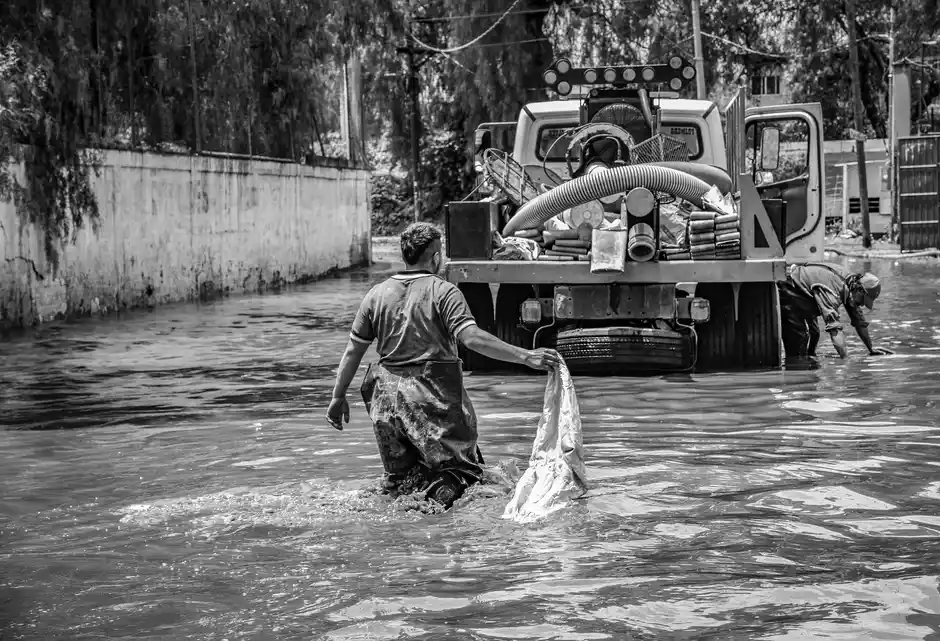
Emergency water removal in Philadelphia requires speed, because standing water in a rowhouse can reach neighbors within hours. Our crews are on call 24/7 to extract from basements, kitchens, and commercial spaces across Center City and the Northeast. We arrive with truck-mounted pumps, moisture meters, and the local experience to stop water before it compromises shared walls and historic foundations.

  1. 01

    Rapid Response Across Neighborhoods

    From Northern Liberties to University City, our dispatch routes crews through known traffic corridors to reach you fast. We prioritize active water sources first, then begin extraction. Philadelphia's dense grid can slow response, so we stage equipment strategically. When you need emergency water removal in Philadelphia, every minute saved reduces structural damage and mold risk.

  2. 02

    Burst Pipes and Supply Lines

    Freeze-thaw cycles in Philadelphia winters crack aging copper and galvanized pipes inside walls and crawl spaces. We shut off water, extract standing pools, and use directed heat to thaw remaining lines safely. Our technicians inspect for hidden splits behind plaster and under floors, preventing a second flood after the first cleanup. This thorough approach protects your home through the rest of the season.

  3. 03

    Commercial and Multi-Unit Response

    Apartment buildings in West Philadelphia and storefronts along Frankford Avenue need emergency water removal that minimizes tenant disruption. We isolate affected units, extract from common areas, and coordinate with property managers on access and documentation. Our crews work in shifts to restore habitability quickly, keeping your business or rental income loss to a minimum.

  • 24/7 emergency dispatch with truck-mounted extraction equipment
  • Water shutoff, source control, and immediate standing water removal
  • Multi-unit and commercial response with tenant coordination
  • Moisture mapping to confirm all hidden water is removed
Emergency Water Removal in Philadelphia

02 / 10

Service

5+ YEARS · PHILADELPHIA

Water Extraction in Philadelphia

Water extraction in Philadelphia is more than pumping visible puddles. In rowhouses and twins, water hides under hardwood, inside wall cavities, and beneath basement slabs. Our technicians use weighted extraction tools, subfloor drying mats, and moisture sensors to pull water from materials that standard vacuums miss. We tailor each extraction to the building's age, construction, and the source of the intrusion.

Hardwood and Subfloor Extraction

Philadelphia homes often have original oak flooring that cups and buckles when wet. We use specialized extraction plates that pull water through the boards without causing further damage. For water extraction in Philadelphia, this means saving floors that lesser methods would replace. We monitor moisture content daily and adjust drying equipment until the wood returns to normal range.

Carpet and Pad Removal

When carpet and pad are saturated, extraction alone cannot prevent mold. We remove affected materials, extract the subfloor, and dispose of debris according to Philadelphia waste guidelines. In rentals near Temple University, this rapid removal protects tenants and landlords alike. We document everything for insurance and reinstall new flooring once the structure is dry.

Concrete and Tile Surfaces

Basements in Fishtown and Port Richmond often have concrete slabs or ceramic tile that trap water underneath. Our extraction crews use high-pressure wands and vacuum systems to pull water from grout lines and expansion joints. We then apply antimicrobial treatment to prevent odors. This detailed water extraction in Philadelphia keeps below-grade spaces usable and healthy.

  • Weighted extraction for hardwood floors and subfloor cavities
  • Carpet and pad removal with proper disposal and documentation
  • Concrete and tile surface extraction with antimicrobial treatment
  • Daily moisture readings to confirm complete water removal
Flood Damage Cleanup in Philadelphia

Flood Damage Cleanup in Philadelphia


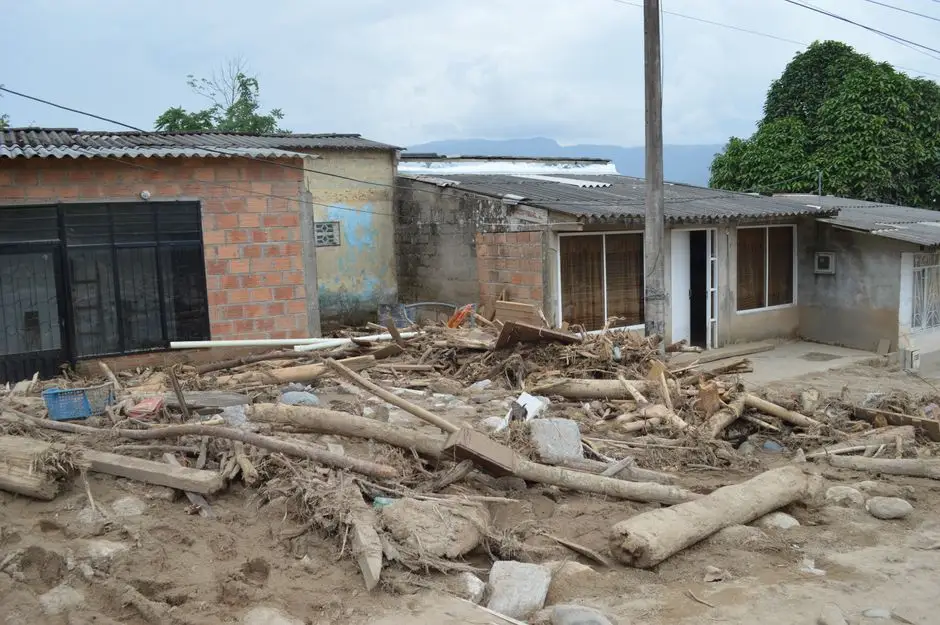
Flood damage cleanup in Philadelphia means confronting water from storms, sewer backups, and river surges that affect low-lying neighborhoods like Manayunk and Eastwick. Our crews handle contaminated water safely, remove debris, and disinfect surfaces to protect your family from bacteria and pathogens. We coordinate with city services when needed and restore your property with minimal disruption to your daily life.

Contaminated water extraction and safe debris removal

Promise

“When the Schuylkill or Delaware rivers overflow, basements and first floors take on silt-laden water. We pump out standing water, remove mud and debris, and pressure-wash affected surfaces. For flood damage cleanup in…”

— Philadelphia customer
Storm and River Flooding +

When the Schuylkill or Delaware rivers overflow, basements and first floors take on silt-laden water. We pump out standing water, remove mud and debris, and pressure-wash affected surfaces. For flood damage cleanup in Philadelphia, we also check for structural undermining and electrical hazards before restoration begins. Our team documents everything for FEMA and insurance claims.

Sewer Backup Contamination +

Combined sewer systems in older Philadelphia neighborhoods can back up during heavy rain, sending Category 3 water into homes. We treat all sewage-impacted materials as hazardous, removing porous items and disinfecting hard surfaces with EPA-registered products. This thorough flood damage cleanup in Philadelphia protects occupants from E. coli and other dangerous contaminants.

Debris Removal and Disposal +

Flooding leaves behind ruined drywall, insulation, furniture, and personal belongings. We sort salvageable items from waste, then haul debris to approved Philadelphia disposal sites. Our crews work efficiently to clear your home, allowing drying and reconstruction to start sooner. We provide itemized lists for insurance reimbursement and keep you informed at every step.

  • Contaminated water extraction and safe debris removal
  • Antimicrobial disinfection of all affected surfaces
  • Coordination with city services and FEMA documentation
  • Full structural drying and reconstruction after cleanup
Basement Water Removal in Philadelphia
Service · #5

Basement Water Removal in Philadelphia


Basement water removal in Philadelphia addresses a common problem in rowhouses with aging waterproofing and high water tables. Whether from a failed sump pump, cracked foundation, or heavy rain, standing water in your basement can ruin storage, mechanicals, and finished living space. Our crews extract quickly, dry thoroughly, and help you prevent future intrusions with targeted solutions.

Sump Pump Failures

Power outages and mechanical failures leave Philadelphia basements vulnerable during storms. We extract the water, then inspect your sump system and recommend battery backups or secondary pumps. For basement water removal in Philadelphia, addressing the cause prevents repeat flooding. We also check the discharge line for freezing or clogs that could cause backup.

Foundation Seepage and Cracks

Stone and brick foundations in Old City and Germantown allow water to seep through mortar joints. We remove standing water, then apply hydraulic cement or epoxy injections to seal active leaks. Our team also installs interior drainage channels when needed. This comprehensive basement water removal in Philadelphia keeps your lower level dry through wet seasons.

Finished Basement Restoration

When water invades a finished basement, drywall, insulation, and carpet must be assessed for salvage. We use moisture meters to determine what can be dried in place versus removed. Our crews set up containment to protect unaffected areas, then dry and restore. Philadelphia homeowners appreciate our ability to save finished space whenever possible.

  • Emergency sump pump failure response and water extraction
  • Foundation crack sealing and interior drainage installation
  • Finished basement drying with containment and salvage assessment
  • Dehumidification and air scrubbing to prevent mold growth

Sewage Backup Cleanup in Philadelphia


Sewage backup cleanup in Philadelphia is a hazardous job that requires specialized training and equipment. When combined sewers surcharge during heavy rain, Category 3 water carries bacteria, viruses, and parasites into your home. Our certified technicians remove contaminated materials, disinfect thoroughly, and restore your property to safe, sanitary condition. We follow all local and EPA guidelines for biohazard disposal.

  1. 01

    Category 3 Water Handling

    Sewage-contaminated water demands strict protocols. We seal off affected areas, wear full PPE, and remove porous materials like carpet, pad, and drywall. For sewage backup cleanup in Philadelphia, we use EPA-registered disinfectants on all hard surfaces. Air scrubbers with HEPA filters run throughout the project to capture airborne pathogens and odors.

  2. 02

    Odor and Bacteria Elimination

    Even after visible waste is removed, sewage leaves behind stubborn odors and harmful bacteria. We fog affected spaces with antimicrobial agents and use hydroxyl generators to neutralize odors at the molecular level. This step is critical for sewage backup cleanup in Philadelphia, where rowhouse shared walls can allow smells to migrate into neighboring units.

  3. 03

    Post-Cleanup Verification

    After cleaning, we perform ATP testing to confirm that surfaces are free of organic contamination. We also check moisture levels to ensure the structure is dry. Our team provides a written report documenting the scope and results. This verification gives Philadelphia homeowners confidence that their sewage backup cleanup is complete and their home is safe.

  • Category 3 sewage extraction and safe disposal of contaminated materials
  • EPA-registered disinfection and HEPA air scrubbing
  • Odor neutralization with hydroxyl generators and fogging
  • ATP testing and written verification of sanitary conditions
Sewage Backup Cleanup in Philadelphia

06 / 10

Service

5+ YEARS · PHILADELPHIA

Crawl Space Water Removal in Philadelphia

Crawl space water removal in Philadelphia is essential for older homes in neighborhoods like Kensington and Port Richmond, where vented crawl spaces invite moisture and pests. Standing water under the house can rot floor joists, fuel mold growth, and raise energy bills. Our crews access tight spaces, extract water, and install drying equipment to stabilize the structure and improve indoor air quality.

Tight Access Extraction

Many Philadelphia crawl spaces have narrow access hatches and low clearance. We use compact extraction units and remote cameras to locate water without unnecessary demolition. For crawl space water removal in Philadelphia, this means less disruption to your living space. We also check for fallen insulation and debris that can block drainage.

Joist and Subfloor Drying

Wood floor joists and subfloor panels absorb moisture quickly in a wet crawl space. We set up directed airflow and desiccant dehumidifiers to dry these structural components. Our technicians monitor moisture content daily to prevent warping and rot. This careful drying protects the structural integrity of your Philadelphia home and avoids costly floor repairs.

Vapor Barrier and Encapsulation

After water removal, we recommend installing a heavy-duty vapor barrier to block ground moisture. In some cases, full encapsulation with a dehumidifier is the best long-term solution. We tailor the approach to your crawl space conditions and budget. This step prevents future crawl space water removal in Philadelphia by keeping the space dry year-round.

  • Compact extraction equipment for tight crawl space access
  • Directed airflow and desiccant drying for joists and subfloor
  • Vapor barrier installation and crawl space encapsulation
  • Moisture monitoring and antimicrobial treatment of wood surfaces
Storm Damage Restoration in Philadelphia

Storm Damage Restoration in Philadelphia


Storm damage restoration in Philadelphia covers everything from wind-driven rain intrusion to fallen tree limbs and hail damage. Our crews respond after severe weather to board up, tarp, and extract water before secondary damage sets in. We work with your insurance company and handle everything from emergency repairs to full reconstruction, getting your home or business back to normal fast.

Emergency board-up, tarping, and debris removal

Promise

“Severe thunderstorms and nor'easters can strip shingles, crack siding, and shatter windows across Philadelphia. We tarp roofs, board windows, and remove water that enters through breaches. For storm damage restoration…”

— Philadelphia customer
Wind and Hail Damage +

Severe thunderstorms and nor'easters can strip shingles, crack siding, and shatter windows across Philadelphia. We tarp roofs, board windows, and remove water that enters through breaches. For storm damage restoration in Philadelphia, we also inspect attics and walls for hidden moisture. Our team documents all damage for your insurance claim.

Fallen Trees and Structural Impact +

Mature trees in Fairmount Park and surrounding neighborhoods can drop limbs onto roofs and porches during storms. We remove debris, shore up structural elements, and extract water from impacted areas. Our crews coordinate with arborists when needed. This comprehensive storm damage restoration in Philadelphia addresses both the immediate hazard and the water damage that follows.

Emergency Board-Up and Tarping +

When your property is exposed, every hour counts. We provide emergency board-up and roof tarping to prevent further water intrusion and secure your home. Our team uses durable materials that withstand follow-up rain. This service is a critical first step in storm damage restoration in Philadelphia, protecting your property until permanent repairs begin.

  • Emergency board-up, tarping, and debris removal
  • Wind, hail, and water intrusion damage assessment
  • Tree limb removal and structural shoring
  • Full reconstruction from roofing to interior finishes
Mold Remediation in Philadelphia
Service · #9

Mold Remediation in Philadelphia


Mold remediation in Philadelphia is critical because our humid summers and older housing stock create ideal conditions for fungal growth. After any water intrusion, mold can appear within 48 hours. Our certified remediators locate hidden mold behind walls and under floors, contain the affected area, and remove contamination safely. We restore healthy indoor air quality and help prevent future outbreaks.

Hidden Mold Detection

Mold often grows inside wall cavities and under basement floors where you cannot see it. We use thermal imaging and moisture meters to find hidden colonies. For mold remediation in Philadelphia, this thorough detection ensures we treat the entire problem, not just visible surface growth. We also identify the moisture source to prevent recurrence.

Containment and Removal

We seal off affected areas with plastic sheeting and negative air pressure to prevent spores from spreading. Technicians remove moldy materials, HEPA-vacuum surfaces, and apply antimicrobial treatments. This controlled approach is essential for mold remediation in Philadelphia rowhouses, where shared walls can allow spores to migrate into neighboring units.

Air Quality Verification

After remediation, we perform clearance testing to confirm that spore levels have returned to normal. We also provide recommendations for humidity control and ventilation. Our goal is to give you confidence that your mold remediation in Philadelphia is complete. We document all findings and provide a written report for your records.

  • Thermal imaging and moisture mapping to locate hidden mold
  • Negative air containment and HEPA vacuuming of affected areas
  • Antimicrobial treatment and safe removal of contaminated materials
  • Post-remediation clearance testing and written verification

Structural Drying in Philadelphia


Structural drying in Philadelphia goes beyond surface drying to remove moisture from wall cavities, subfloors, and framing. Our technicians use psychrometrics and daily monitoring to create the ideal drying environment for each unique space. Whether you have a wet rowhouse in Queen Village or a commercial building in Center City, we dry thoroughly to prevent mold and structural deterioration.

  1. 01

    Psychrometric Monitoring

    We calculate temperature, humidity, and dew point to adjust equipment as drying progresses. This data-driven approach ensures we dry efficiently without over-drying or causing secondary damage. For structural drying in Philadelphia, daily logs document moisture levels and equipment performance. You receive a complete record for insurance and peace of mind.

  2. 02

    Wall Cavity and Subfloor Drying

    Water trapped inside wall cavities and under floors requires specialized drying techniques. We use injection drying systems and floor drying mats to circulate warm, dry air where it is needed. This targeted structural drying in Philadelphia saves materials that would otherwise be removed and replaced, reducing restoration costs and downtime.

  3. 03

    Commercial and Historic Structures

    From historic buildings in Old City to modern offices in University City, we tailor drying plans to each structure. Historic plaster and timber require gentler drying than steel and drywall. Our technicians adjust equipment and monitor conditions closely. This customized structural drying in Philadelphia protects both property value and architectural integrity.

  • Daily psychrometric readings and moisture content logs
  • Injection drying for wall cavities and floor drying mat systems
  • Custom drying plans for historic and commercial structures
  • Final verification with moisture meters and thermal imaging
Structural Drying in Philadelphia

10 / 10

Service

Residential Water Damage

Residential Water Damage Services in Philadelphia

Your home is your biggest investment. When water gets in, you want a crew that treats it that way. We work in Philadelphia homes every week, from older houses with crawl spaces to newer builds with finished basements. We know the common problems and how to fix them without cutting corners.

  • Emergency Water Extraction — When water is rising in your Philadelphia home, we respond 24/7. We extract standing water, check for hidden moisture, and set up drying equipment. We also help you file your insurance claim.
  • Basement and Crawl Space Drying — Philadelphia basements and crawl spaces are prone to moisture. We dry them out with industrial equipment and install vapor barriers to keep them dry. We also treat mold if it is present.
  • Mold Remediation — If mold has already started growing, we contain it, remove it, and fix the moisture problem that caused it. We use ACAC-certified protocols and clear the area with post-remediation testing.
  • Structural Drying — We dry walls, floors, and ceilings to IICRC standards. We monitor daily with moisture meters and do not stop until the structure is dry. That prevents mold and protects your home's value.
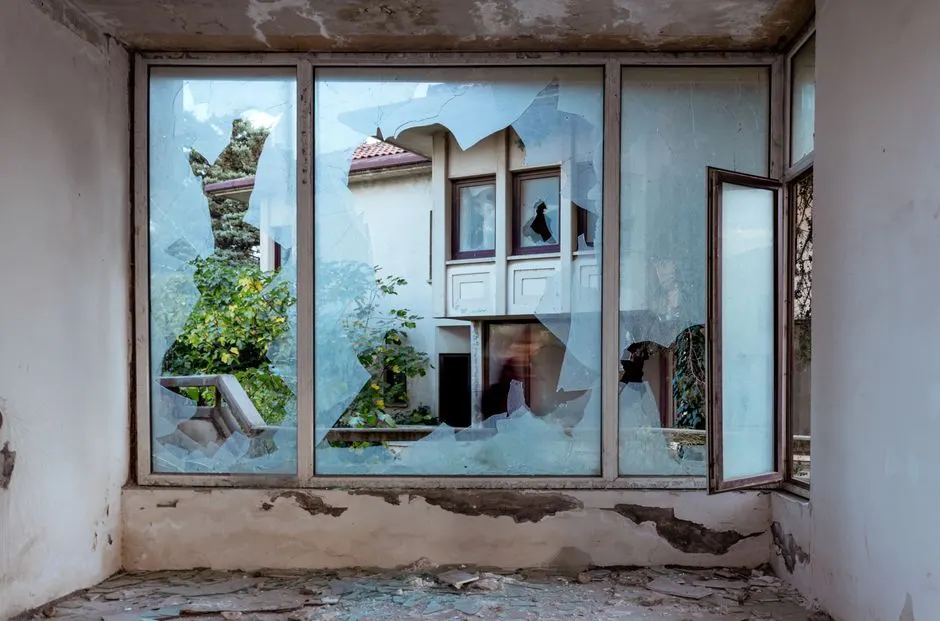
Commercial Water Damage

Commercial Water Damage Services in Philadelphia

A water leak in a commercial building can shut you down. Whether you run a retail shop on Highway 11 or an office in downtown Philadelphia, we can help you get back to business. We work around your schedule, contain the work area, and dry the structure fast.

Retail storesRestaurantsOffice buildingsProperty managementWarehouses

Common Water Damage Problems in Philadelphia

Philadelphia has a specific set of water damage problems that come from its climate, soil, and building stock. The clay soil holds water, the freeze-thaw cycles stress pipes, and the older homes have plumbing that is past its prime. Here are the issues we see most often.

Basement flooding from sump pump failure

Sump pumps have a lifespan of about 10 years. In Philadelphia, where the water table can be high, a failed pump means water backs up fast. Power outages during storms make it worse.

Crawl space moisture and mold

Crawl spaces in Philadelphia often lack proper vapor barriers. The clay soil holds moisture, and without a barrier, that moisture rises into the crawl space and into your home.

Frozen pipes that burst

East Tennessee winters can drop below freezing, especially at night. Pipes in crawl spaces, garages, and exterior walls are most vulnerable. When water freezes, it expands and splits the pipe.

Sewage backups during heavy rain

Older sewer lines in Philadelphia can be overwhelmed by heavy rain. When the municipal system is full, sewage can back up into basements and ground-floor drains.

Signs You Need Water Damage Service in Philadelphia

Sometimes water damage is obvious. A flooded basement is hard to miss. But other times, the signs are subtle. A musty smell, a stain on the ceiling, or a spike in your water bill can all point to a problem. If you notice any of these signs, call us. We can find the source and fix it before it gets worse.

  • Musty smell in the basement or crawl space

    A musty smell usually means mold is growing somewhere. It might be in the carpet, the drywall, or the crawl space. Mold can start within 24 to 48 hours of a water event. If you smell it, there is moisture somewhere. We can find it with a moisture meter and thermal camera.

  • Water stains on ceilings or walls

    Brown or yellow stains mean water is getting in from above or behind. It could be a roof leak, a plumbing leak, or a failed flashing. The stain is the visible part. The damage behind it is often worse. We trace the water to its source and dry the whole area.

  • Spongy or soft floors

    If your floor feels soft or bouncy, the subfloor may be wet and rotting. This is common in Philadelphia homes with crawl spaces that stay damp. We inspect the subfloor and joists, dry them out, and recommend repairs if needed.

  • Sump pump running constantly

    A sump pump that runs nonstop is a sign that water is entering your basement faster than it can be pumped out. It could be a high water table or a foundation leak. We can assess the situation and recommend a fix, including a backup pump.

  • Unexplained spike in water bill

    A sudden increase in your water bill often means you have a leak. A slab leak or a hidden pipe leak can waste hundreds of gallons before you notice. We use acoustic listening equipment and thermal imaging to find leaks without tearing up your floors.

Water Damage Pricing in Philadelphia: What to Expect

Water damage pricing in Philadelphia depends on the size of the job, the type of water, and how long it takes to dry. A small extraction and dry-out might run a few hundred dollars. A full basement flood with contaminated water and structural damage can run into the thousands. We provide a written estimate before we start, and we work with your insurance company to make sure covered costs are documented. Typical 2026 pricing in this area starts around $1,200 for a basic water extraction and drying job. If mold remediation or structural repairs are needed, the cost goes up. We do not surprise you with hidden fees. You will know what you are paying for before we begin.

Basic Service

$89 starting · per visit

  • Diagnostic visit
  • Written estimate
  • Same-day scheduling
  • 30-day warranty
Book This Plan

Premium Care

$499 annual plan

  • Two scheduled inspections
  • Priority emergency response
  • Discounted parts and labor
  • 5-year workmanship warranty
Book This Plan
  • Size of affected area — A single room takes less equipment and time than a whole floor. We measure the square footage and calculate how many air movers and dehumidifiers are needed. Larger areas mean more equipment and longer drying times.
  • Water category — Clean water from a supply line is the easiest to handle. Gray water from a washing machine or dishwasher requires more cleaning. Black water from sewage or flooding is a biohazard and requires full containment and disposal. Each category adds cost.
  • Duration of drying — Most jobs dry in three to five days. If the structure was wet for a long time or the humidity stays high, it can take longer. We monitor daily and adjust equipment as needed. You only pay for the equipment you need.

Navigating Philadelphia: Landmarks We Use

Philadelphia is not a big city, but knowing the landmarks helps us move fast. When you call, we ask for the nearest landmark so we can route the closest crew. Whether you are near the center of town or out by the highway, we know how to get there.

Philadelphia Elementary School

A central landmark on the west side of town. If you are near the school, we know the cross streets and can route a crew without needing a GPS pin.

Sweetwater Creek

The creek runs through the area and serves as a natural boundary. Properties on either side have different drainage patterns, and knowing which side you are on helps us anticipate the type of water damage.

Highway 11

The main north-south route through Philadelphia. Most commercial addresses and many residential streets connect to it. If you are on or near Highway 11, we can find you quickly.

Coverage across Philadelphia & Loudon County

37846

Plus surrounding Loudon County neighborhoods, with same-day routing on most appointments.

How Seasons Affect Water Damage in Philadelphia

Philadelphia gets all four seasons, and each one brings its own water damage risks. Spring storms, summer humidity, fall leaves, and winter freezes all play a role. Knowing what to expect can help you prepare.

Spring

Spring brings heavy rain and thunderstorms. The clay soil cannot absorb water fast enough, so it pools around foundations and seeps into basements. We see a spike in basement flooding and crawl space moisture.

Tip: Check your gutters and downspouts. Make sure water is directed away from your foundation. If your basement has flooded before, consider a sump pump with a battery backup.

Summer

Summer humidity can slow drying times and make mold growth more likely. Air conditioning systems produce condensate, and a clogged drain line can cause water damage in attics and closets.

Tip: Change your AC filter regularly and check the condensate drain line. If you see water stains near your air handler, call us.

Fall

Falling leaves can clog gutters and downspouts, causing water to back up onto your roof and into your walls. We also see roof leaks from damaged flashing and worn shingles.

Tip: Clean your gutters before the first freeze. Check your roof for missing shingles or damaged flashing. A small leak now can become a big problem in winter.

Winter

Freezing temperatures can burst pipes. The freeze-thaw cycle stresses pipes and fittings. We respond to frozen pipe calls all winter, often in the middle of the night.

Tip: Insulate pipes in crawl spaces, garages, and exterior walls. If you are leaving town, keep your heat on at least 55 degrees. If a pipe freezes, call us before you try to thaw it yourself.

FAQs About Water Damage in Philadelphia

Real answers from our team for the questions we hear most often before a job starts.

How much does water damage restoration cost in Philadelphia?
Most water damage restoration jobs in Philadelphia run between $1,200 and $3,500, depending on the size of the area and the type of water. Clean water from a supply line is less expensive than sewage backup. We provide a written estimate before we start, and we work with your insurance to cover what is covered.
How fast can you get to my Philadelphia home?
We typically arrive within 30 to 45 minutes for emergency calls in Philadelphia. Our crews are staged throughout the region, so we can dispatch the closest one. If you call at 2 a.m., we will still answer and send a crew.
Do I need to leave my home during the drying process?
In most cases, no. You can stay in your home while we dry the affected area. We contain the work zone and run equipment that is loud but safe. If the damage is extensive or involves sewage, we may recommend staying elsewhere until the cleanup is complete.
How long does it take to dry a flooded basement in Philadelphia?
Most basements dry in three to five days. The exact time depends on the size of the basement, the materials, and the humidity. We monitor daily with moisture meters and adjust equipment as needed. We do not stop until the readings are dry.
Will my insurance cover water damage from a burst pipe?
Yes, most homeowner policies cover sudden and accidental water damage from a burst pipe. They typically do not cover damage from neglect or lack of maintenance. We document everything with photos and moisture readings to support your claim.

Need Water Damage in Philadelphia Fixed Fast?

If you have water where it should not be, call us. We answer the phone 24/7 and dispatch crews throughout Philadelphia. We will tell you what we see, what it takes to fix it, and what it costs. No runaround, no waiting. Just a crew that shows up and gets the job done.

Call Now Send a Message

Get a Crew Out Today

Call (855) 713-4896 any time, day or night. We answer live, ask a few questions about the source and the size of the loss, and dispatch the nearest crew. Most Tennessee metro calls get a truck in 60 to 90 minutes, and rural calls within two hours. You can also email [email protected] and we will call you back within 15 minutes.

Water Damage Pros Tennessee


  • Address

    Tennessee

  • Hours

    Mon–Fri: 7AM – 7PM
    Sat: 8AM – 4PM
    Sun: Emergency Only
    24/7 Emergency Available

Call (855) 713-4896 Get Quote
Call Quote