

24/7 Emergency Dispatch
A live person answers your call any hour, any day. We ask the right questions, dispatch the nearest crew, and give you an ETA. Most Tennessee addresses see us within about 60 minutes.
Every job starts with the same core package: source control, extraction, drying and documentation. What changes is the scope, which depends on water category, square footage and how long the water sat. Here is what you get on a standard call, and what we quote separately when the job calls for it.
A live person answers your call any hour, any day. We ask the right questions, dispatch the nearest crew, and give you an ETA. Most Tennessee addresses see us within about 60 minutes.
We use a moisture meter, thermal imaging camera and inspection camera to find where water traveled behind walls and under floors. This step decides the drying plan and prevents missed pockets that turn into mold.
Truck-mounted extraction and water extraction pumps remove standing water from carpet, hardwood and concrete. We finish edges with wet/dry vacuums and set a sump pump where a basement keeps refilling.
Industrial air movers and dehumidifiers go in to dry subfloor, baseboards and wall cavities. We monitor daily with a hygrometer and infrared thermometer and adjust equipment until the structure hits dry standard.
Affected framing, carpet padding and cavities get antimicrobial spray to slow mold growth while drying is underway. For category 3 water like sewage backups, we remove contaminated materials first.
We photograph every affected room, log moisture readings, and produce an Xactimate-formatted scope. Your adjuster gets a complete package, which speeds up approval and reduces back-and-forth.
Emergency Water Removal in Tennessee is the urgent process of pumping, extracting and drying standing water out of a home or business before it warps floors, ruins drywall and feeds mold. It is not a shop vac job. We start with a moisture meter and thermal imaging camera to map how far the water traveled, then run truck-mounted extraction and water extraction pumps to pull hundreds of gallons out fast. From there, industrial air movers and dehumidifiers dry the subfloor, baseboards and wall cavities to IICRC S500 drying standards.
Tennessee homes get hit from every direction. Frozen pipes split in a January cold snap, slab leaks quietly soak carpet padding, and spring storms push water through crawl space vents from Memphis to Knoxville. A burst pipe can dump 8 to 10 gallons a minute, so the first 24 to 48 hours decide whether you replace a floor or just dry it. That is why we treat every call as a 24/7 emergency water extraction Tennessee homeowners can count on, not a next-week appointment.
Every job follows the same five steps, whether it is a burst pipe in a Lebanon ranch house or a sewage backup in a Memphis duplex. You get a clear timeline and a crew that tells you what happens next.
Schedule
Call or book online — a real human picks up and confirms a 2-hour arrival window.
Diagnose
Licensed tech inspects on-site, then walks you through the cause and your options.
Fix
The job is completed to code and done right the first time — no shortcuts, no surprises.
Guarantee
Every job backed by a written workmanship warranty — and we stand behind it.
Moisture Meter and Hygrometer
We use these to measure moisture content in drywall, subfloor and framing, and to track relative humidity in the drying chamber. Readings drive every decision about when drying is done.
Thermal Imaging Camera
Infrared imaging shows us where water traveled behind walls and under floors without tearing everything open. It catches hidden pockets that a visual inspection would miss.
Truck-Mounted Water Extraction Pump
Our primary extraction tool, capable of moving 20 to 100 gallons per minute. It pulls standing water from carpet, hardwood and concrete far faster than portable units.
Industrial Air Movers and Dehumidifiers
Air movers keep air circulating across wet surfaces while dehumidifiers pull moisture out of the air. Together they dry wall cavities and subfloor to IICRC S500 standards.
Desiccant Dehumidifier
For crawl spaces and tightly closed cavities where standard dehumidifiers cannot keep up. Desiccant units pull moisture at low temperatures, which matters in a Tennessee winter.
DeWalt and Milwaukee Inspection Cameras
We run these into wall cavities and drain lines to find the source of a leak without unnecessary demolition. They help us confirm the fix before we close anything up.
RIDGID and Shop-Vac Wet/Dry Vacuums
For tight corners, under cabinets and inside closets where a truck mount cannot reach. These finish the extraction so no standing water is left behind.
IICRC S500 Standard
The industry standard for water damage restoration. It defines water categories, drying goals and documentation requirements. We follow it on every job so the work holds up to insurance and inspection scrutiny.
Moisture Mapping and Daily Monitoring
We map affected areas on arrival and log readings daily with a moisture meter and hygrometer. Drying equipment stays in place until the structure hits dry standard, not until it looks dry on the surface.
Antimicrobial Application
We apply antimicrobial spray to affected framing, carpet padding and cavities while drying is underway. This slows mold growth during the drying window and protects materials that stay in place.
Xactimate Scoping
Our documentation is formatted in Xactimate, the software most insurance adjusters use. That means your claim scope matches what the adjuster expects, which speeds approval and reduces disputes.
01
What we do: We shut off the main, cut into the wall to find the break, extract standing water, and dry the cavity. If the pipe is split, we coordinate the repair and then finish drying.
→ Water is out the same day, the wall cavity dries in three to four days, and you avoid a mold problem behind the drywall.
02
What we do: We pull water from carpet and vinyl, lift the washer and dryer onto blocks, and set drying equipment. Carpet padding that is soaked gets removed and replaced.
→ The floor dries without warping, the appliances stay put, and the room is usable again within a week.
03
What we do: We pump the crawl space, dry the joists and subfloor with air movers and a desiccant unit, and check for mold on the framing. A vapor barrier goes in if the space has no moisture control.
→ Subfloor moisture drops below 16 percent, cupping stops, and the crawl space stays dry through the next storm.
04
What we do: We shut off the supply, extract the water, and dry the concrete and any affected drywall. We document the failure for your insurance claim and coordinate the heater replacement.
→ Water is gone in a few hours, drying finishes in three days, and you are not spending the holiday dealing with a wet floor.
Tennessee water damage follows the seasons. Winter cold snaps split pipes in unheated crawl spaces and garages from Mountain City to Covington. Spring and summer storms dump two inches in an hour and push water through basement windows and crawl space vents. Older homes in places like Rogersville and Livingston often have galvanized supply lines and vented crawl spaces, which means slow leaks and high humidity are common. Newer construction in Nolensville and Spring Hill tends to have PEX lines and slab-on-grade floors, so a slab leak shows up as a hot spot on the floor rather than a puddle. We adjust our approach to the building, not the other way around. For a flooded basement Tennessee call, we bring a sump pump and extra air movers. For a burst pipe Tennessee call, we cut into the wall, dry the cavity, and coordinate the repair. Our crews are staged across the state so a call from Memphis or Knoxville gets the same response as one from Nashville.
Hermitage
A mix of older ranch homes and newer builds along the Cumberland River corridor. Crawl spaces and basements here see water after heavy rain, and we handle both.
Hixson
Hilly terrain and older housing stock mean foundation cracks and slab leaks are common. We use thermal imaging to find the source before we start extraction.
Cleveland
A mix of residential and light commercial properties. We handle everything from a flooded garage to a small retail space with the same crew and equipment.
Lebanon
Fast-growing area with new subdivisions and older farmhouses. Both types show up on our call list, and each needs a different drying plan.
Springfield
Older homes with galvanized plumbing and vented crawl spaces. Slow leaks and high humidity are common, so we check moisture levels carefully before we pull equipment.
Winter freeze events that split supply lines
Pipes in unheated crawl spaces and garages are the first to go. We see a spike in burst pipe calls during every hard freeze, and we keep crews on standby for those nights.
Spring and summer storm flooding
Heavy rain overwhelms gutters, basement windows and crawl space vents. Water enters fast and can sit for hours before a homeowner notices, so extraction speed matters.
High humidity and clay soil
Tennessee humidity slows drying and clay soil holds water against foundations. We run dehumidifiers longer and check crawl spaces for moisture that does not show up on the surface.
Older housing stock with galvanized plumbing
Homes built before 1980 often have supply lines that corrode from the inside. Slow leaks behind walls are common, and we use thermal imaging to find them before they spread.
Most calls come down to one of a handful of scenarios. Here is what we see across Tennessee and how we handle each one.
Problem
A split supply line can dump 8 to 10 gallons a minute, soaking drywall, carpet and subfloor before you wake up. Mold can start within 24 to 48 hours.
Our Fix
We shut off the supply, extract standing water with truck-mounted pumps, and dry the cavity with air movers and dehumidifiers. We document everything for your claim and replace any drywall or baseboards that cannot be saved.
Problem
Standing water wicks up concrete walls and into stored belongings. Without fast removal, the space stays damp and grows mold behind finished walls.
Our Fix
We pump the basement out, dry the concrete and framing, and check the sump pit and drainage. If the pump failed once, we recommend a battery backup or vapor barrier so it does not happen again.
Problem
Category 3 water carries bacteria and pathogens. Anything porous it touches, including carpet padding and drywall, has to come out, not just dry.
Our Fix
Our crew contains the area, removes contaminated materials, disinfects with antimicrobial spray, and dries the structure. We follow IICRC standards for category 3 remediation and document the whole process.
Problem
Trapped moisture rots joists, warps subfloor and pushes humid air into the living space. It is one of the most common hidden problems in Tennessee homes.
Our Fix
We pump standing water, dry the joists and subfloor with air movers and a desiccant unit, and install a vapor barrier where needed. We also check for foundation cracks and grading issues that let water in.
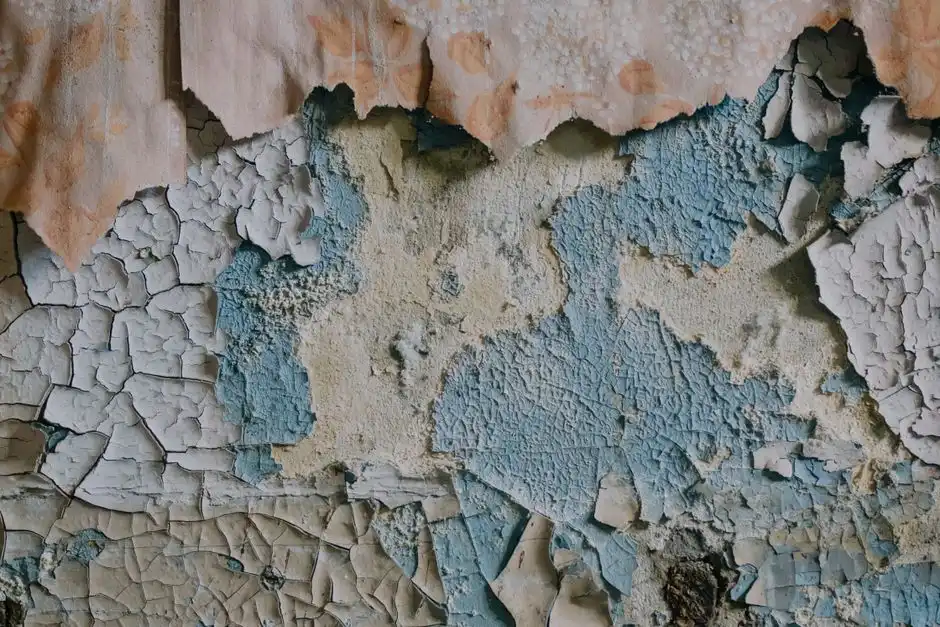
Water damage gets more expensive by the hour. Mold can colonize a wet wall cavity in 24 to 48 hours, and soaked subfloor loses strength fast. Here is what you actually get when you call us instead of waiting.
Water Out in Hours
Our extraction pumps move 20 to 100 gallons per minute, so a flooded basement that would take you days with a wet/dry vacuum is usually dry to the touch in one visit. We start pumping within minutes of arrival and keep going until the moisture meter reads normal.
Mold Stopped Early
Mold growth starts in 24 to 48 hours on wet drywall and plywood. We apply antimicrobial spray to affected framing and carpet padding, then dry the cavity below 16 percent moisture content. That is the difference between a cleanup and a full mold remediation job.
Insurance Paperwork Handled
We document every affected room with photos, moisture readings and an Xactimate-formatted scope, so your claim moves instead of stalling. Most Tennessee policies cover sudden pipe bursts and storm intrusion, and our reports give the adjuster exactly what they ask for.
Contents and Structure Saved
We lift furniture onto blocks, pull soaked carpet padding, and dry hardwood and subfloor in place when we can. Saving the structure beats replacing it, and it keeps your family in the house instead of a hotel for two weeks.
Typical 2026 pricing in Tennessee runs $180 to $450 for extraction on a standard residential job, with drying adding $30 to $75 per day per room. A flooded basement with contaminated water can reach $1,200 to $3,500 depending on square footage and how long the water sat. We give you a clear price before we start, and we work with your insurance adjuster to get the covered portion paid. No hidden fees, no surprise line items at the end.
Typical Investment Range
$180 - $3,500 depending on scope
Fast extraction and proper drying cost far less than replacing a subfloor or remediating mold. Most insurance policies cover sudden water damage, so the out-of-pocket cost is often just your deductible.
What changes the price
Water Category
Clean water from a supply line is the cheapest to handle. Category 3 water like sewage backups requires removal of contaminated materials and extra disinfection, which adds labor and disposal costs.
Square Footage Affected
A single room is a different job than a whole first floor. More square footage means more extraction time, more drying equipment and more daily monitoring.
Drying Duration
Most jobs dry in three to five days. Thick materials like hardwood, plaster or multiple layers of subfloor can push that to seven days, and each day adds equipment and monitoring cost.
Material Removal
Soaked carpet padding, baseboards and drywall that cannot be saved have to come out. Removal and disposal add cost, but leaving them in place risks mold and a bigger repair later.
Access and Crawl Space Work
Crawl spaces, attics and tight mechanical rooms take longer to work in. We may need smaller equipment and more time to dry these spaces properly.
After-Hours Timing
We answer 24/7 and do not charge a separate emergency premium. Night and weekend calls are priced the same as daytime work, so you are not penalized for calling at 2 a.m.
Google ★★★★★4.9
Called at midnight when our water heater let go. The crew arrived in under an hour, pumped the water out, and set dryers. They explained everything and worked with our insurance. Highly recommend for anyone in Tennessee.
Yelp ★★★★★4.8
We had a sewage backup in our rental property and they handled it professionally. Removed the contaminated materials, disinfected everything, and kept us updated daily. The unit was re-let in two weeks.
BBB ★★★★★4.9
Fair pricing and no upselling. They dried our crawl space after a storm and installed a vapor barrier. The musty smell is gone and our floors stopped cupping. Would use them again.
Our technicians hold IICRC Water Damage Restoration Technician (WRT) and Applied Structural Drying (ASD) credentials, and several carry IICRC Mold Remediation Technician (MRT) and ACAC Council-certified Microbial Remediator (CMR) certifications for jobs that turn into mold work. We are Xactimate certified, which means our scopes match what adjusters expect to see. We run DeWalt and Milwaukee inspection cameras to find hidden leaks, Dri-Eaz and Phoenix Restoration Equipment for drying, and RIDGID and Shop-Vac units for tight-space extraction. Every crew is OSHA 10-Hour trained and works to Tennessee code on structural repairs.

Our crews cover Tennessee from the Mississippi River to the Appalachian foothills. Whether you need 24/7 emergency water removal Tennessee-wide or a same-day crew in a smaller town, we stage equipment and technicians to reach you fast. Below are some of the communities we serve regularly.
Serving Hermitage homes along the Cumberland River corridor with fast extraction for crawl space flooding and burst pipes. Crews stage nearby for quick response.
Hixson's hilly terrain and older housing stock mean slab leaks and foundation seepage. We use thermal imaging to find the source before we start extraction.
From residential basements to small commercial spaces, our Cleveland crews handle water extraction and structural drying with the same equipment and standards.
Lebanon's mix of new subdivisions and older farmhouses means we see everything from PEX line failures to galvanized pipe leaks. We bring the right tools for each.
Springfield homes with vented crawl spaces and older plumbing are prone to slow leaks and humidity issues. We dry thoroughly and check for hidden moisture.
Newer Nolensville construction with slab-on-grade floors means slab leaks show up as hot spots. We locate them with thermal imaging and dry the affected area.
Lewisburg properties see storm-driven water intrusion and sump pump failures. We pump, extract and dry with equipment sized for the job.
Martin homes and rental properties get fast extraction for burst pipes and appliance failures. We document everything for insurance claims.
Covington's proximity to the Mississippi River means storm flooding and high water tables. We handle crawl space and basement water removal.
La Follette's lake-area homes see water intrusion from storms and aging plumbing. Our crews extract, dry and check for mold before we finish.
Henderson homeowners call us for burst pipes, water heater failures and storm flooding. We respond 24/7 and work directly with your adjuster.
Mount Carmel's older housing stock often has galvanized plumbing that corrodes. We find slow leaks with thermal imaging and dry the cavity.
Rogersville homes with vented crawl spaces and older construction need careful moisture mapping. We dry to IICRC standards and document every reading.
Livingston's rural properties and older homes see crawl space moisture and well-system leaks. We pump, dry and recommend prevention fixes.
Centerville homes get fast extraction for storm flooding and plumbing failures. We stage equipment nearby for quick response across the area.
Real answers to the questions we hear most often from local homeowners and property managers.
Once the water is out, restoration rebuilds what got soaked. We replace drywall, baseboards, insulation and subfloor, then paint and finish. For Tennessee homeowners, this is the step that turns a flooded room back into a livable one.
View Water Damage RestorationExtraction is the first phase of emergency water removal. We use truck-mounted pumps and wet/dry vacuums to pull standing water from carpet, hardwood and concrete. Fast extraction is what limits how much of your floor has to be replaced.
View Water ExtractionFlood water carries silt, sewage and bacteria, so cleanup goes beyond pumping. We remove contaminated materials, apply antimicrobial spray, and dry the structure. Tennessee storm flooding often needs this step before any rebuild can start.
View Flood Damage CleanupBasements collect water from failed sump pumps, foundation cracks and heavy rain. We pump them out, dry the concrete and framing, and check for recurring moisture. If your basement floods every spring, we can recommend a vapor barrier and drainage fix.
View Basement Water RemovalSewage backups are category 3 water, which means contaminated. We remove affected materials, disinfect with antimicrobial spray, and dry the space to safe levels. This is not a job for a shop vac and a fan, and we treat it accordingly.
View Sewage Backup CleanupCrawl spaces trap moisture and feed mold into the living space above. We pump standing water, dry the joists and subfloor, and install vapor barrier where needed. Tennessee homes with vented crawl spaces are especially prone to this.
View Crawl Space Water RemovalCall (855) 713-4896 any time, day or night. We answer live, ask a few questions about the source and the size of the loss, and dispatch the nearest crew. Most Tennessee metro calls get a truck in 60 to 90 minutes, and rural calls within two hours. You can also email [email protected] and we will call you back within 15 minutes.
Phone
(855) 713-4896Address
Tennessee
Hours
Mon–Fri: 7AM – 7PM
Sat: 8AM – 4PM
Sun: Emergency Only
24/7 Emergency Available