
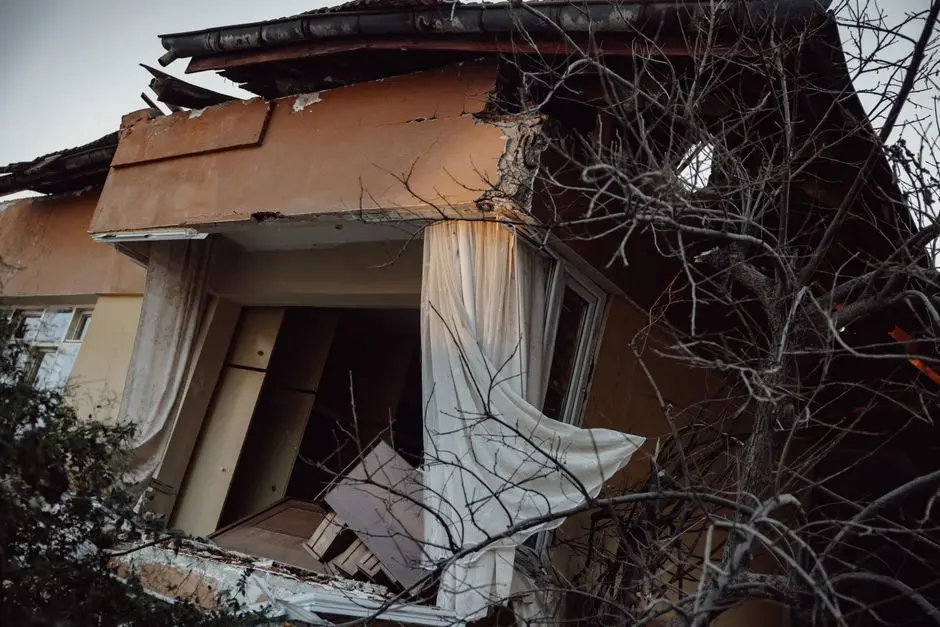
Emergency Water Extraction
Truck-mounted and portable extraction pumps remove standing water from carpet, hard flooring, and subfloor. A typical 500 sq ft flooded area is extracted in two to four hours, including removal of saturated carpet padding.
Every job starts with the same core scope: stop the water, extract what's standing, dry the structure, and verify it with meters. Repairs and rebuild are quoted separately once the dry-out is done, so you always know what you're paying for and why.
Truck-mounted and portable extraction pumps remove standing water from carpet, hard flooring, and subfloor. A typical 500 sq ft flooded area is extracted in two to four hours, including removal of saturated carpet padding.
Industrial air movers, dehumidifiers, and desiccant units are sized to the cubic footage of the wet zone. We position them for cross-ventilation and check airflow with a hygrometer before we leave the first visit.
We return every day to log moisture meter and thermal imaging readings against a dry standard. You get the drying log at the end, which is also what your insurance adjuster wants to see.
Affected framing, subfloor, and wall cavities get treated with antimicrobial spray to stop mold before it colonizes. On pre-1978 homes we follow EPA Lead-Safe practices during any demolition.
Photos, moisture maps, and Xactimate-formatted estimates go directly to your carrier. We bill them directly and handle the back-and-forth so you're not stuck playing middleman on your own claim.
Water Damage Restoration in Tennessee is the process of extracting standing water, drying structural materials to a verified moisture baseline, and repairing what the water ruined. It starts with a moisture meter and thermal imaging camera to map how far the water traveled behind drywall and under subfloor. Then we pull it out with water extraction pumps and wet/dry vacuum units, set industrial air movers and dehumidifiers, and monitor daily with a hygrometer until the readings match a dry standard. Only then do repairs begin.
Tennessee homes get hit from every direction. Frozen pipes split in January, spring storms push water through roof decks, and our clay-heavy soil sends water into crawl spaces and basements all year. A slab leak under a Memphis ranch house or a sump pump failure in a Nashville split-level can soak carpet padding and baseboards within hours. If you're searching for water damage restoration near me and the clock is running, that first 24 to 48 hours decides whether you're drying a house or gutting one.
Every job follows the same sequence, whether it's a burst pipe in a Bristol bungalow or a flooded crawl space in Eads. Here's what you'll see from the first phone call to the final walkthrough.
Schedule
Call or book online — a real human picks up and confirms a 2-hour arrival window.
Diagnose
Licensed tech inspects on-site, then walks you through the cause and your options.
Fix
The job is completed to code and done right the first time — no shortcuts, no surprises.
Guarantee
Every job backed by a written workmanship warranty — and we stand behind it.
Thermal Imaging Camera
Maps temperature differences behind walls and under floors to find hidden moisture without tearing anything open. It's how we catch a slab leak or a wall-cavity leak before it becomes a mold job.
Moisture Meter and Hygrometer
Reads moisture content in drywall, wood, and subfloor, and tracks relative humidity in the air. We log both daily and compare them to a dry standard before pulling equipment.
Industrial Air Movers
High-velocity fans that evaporate moisture off surfaces and push it into the air where dehumidifiers can grab it. We position them for cross-ventilation and check airflow at each visit.
Dri-Eaz and Phoenix Desiccant Dehumidifiers
Pull moisture out of the air in cool or hard-to-dry spaces like crawl spaces and basements. Desiccant units work when refrigerant dehumidifiers slow down in cold weather.
Water Extraction Pumps
Truck-mounted and portable units that pull standing water out of carpet, padding, and hard flooring fast. A 500 sq ft flooded area is usually extracted in two to four hours.
RIDGID and Shop-Vac Wet/Dry Vacuums
Detail extraction in tight spots like closets, under cabinets, and inside wall cavities where a truck mount can't reach. They finish what the big pumps start.
Inspection Camera
Slips behind drywall and into crawl spaces to confirm where water traveled and whether framing is wet. It saves demolition by showing us exactly what needs to come out.
IICRC S500 Standard
The industry standard for water damage restoration, covering water categories, drying goals, and documentation. We follow it on every job, which is also what insurance adjusters expect to see in the drying log.
Applied Structural Drying (ASD)
A drying approach that uses airflow, temperature, and dehumidification together to dry the structure, not just the air. Our IICRC ASD technicians size equipment to the cubic footage and adjust daily based on readings.
Xactimate Estimating
The same estimating platform most carriers use. Our Xactimate-certified estimators write line items in the format adjusters recognize, which cuts back-and-forth and speeds up claim approval.
EPA Lead-Safe Work Practices
Required on pre-1978 homes during demolition and repair. We contain the work area, use lead-safe methods, and dispose of debris properly so your family isn't exposed during the job.
01
What we do: We shut off the main, extract standing water, remove saturated carpet and padding, and set drying equipment. The split section of pipe gets repaired before we leave the first visit.
→ Basement dries in four days, carpet and padding are replaced, and the homeowner avoids a mold claim down the road.
02
What we do: We tarp the roof, extract water from the ceiling cavity, remove wet insulation, and dry the framing. Documentation goes to the carrier the same day.
→ Ceiling and insulation are replaced within two weeks, and the claim is approved without a second inspection.
03
What we do: We pump out the water, pull wet baseboards and carpet padding, and run dehumidifiers for four days. The sump system gets tested and a backup pump is recommended.
→ Basement is dry and rebuilt, and the new sump setup keeps the next storm from repeating the loss.
04
What we do: We respond the same day, extract water, remove wet drywall and trim, and dry the space. The landlord gets a full documentation package for the insurance claim.
→ Tenants are back to normal in under a week, and the landlord's carrier covers the repair without pushback.
Tennessee's climate swings hard, and that shapes how we work. West Tennessee gets humid summers and heavy spring rain that pushes water into crawl spaces and basements. Middle Tennessee sits on clay soil that holds water and shifts foundations, which is why slab leaks and foundation seepage show up so often around Nashville and Murfreesboro. East Tennessee deals with mountain runoff, older housing stock, and freeze events that split pipes in January. Building codes vary by county, and older homes often have galvanized plumbing and no vapor barrier, which changes how we dry. We adjust equipment, timelines, and repair scope to the house in front of us, not to a one-size template. If you're comparing water damage restoration cost in Tennessee across contractors, ask what they do differently for a 1940s bungalow versus a new build. The answer tells you whether they've actually worked here.
Antioch
A mix of older ranch homes and newer builds, many with crawl spaces that trap moisture after heavy rain. We see a lot of sump pump failures and slow slab leaks here.
Signal Mountain
Elevated terrain and wooded lots mean runoff and roof leaks after storms. Homes here often have finished basements that need fast extraction when water gets in.
Columbia
A growing mix of historic downtown homes and new subdivisions. Older homes have plaster walls that dry slower, so we extend drying timelines and monitor more often.
Union City
Northwest Tennessee gets freeze events that split pipes in unheated crawl spaces and garages. We keep crews ready for cold-snap calls in January and February.
Clay-heavy soil across Middle Tennessee
Water pools against foundations instead of draining away, which drives basement seepage and slab leaks. We check foundation walls and slab edges on every Middle Tennessee job.
Freeze events in January and February
Pipes in crawl spaces, garages, and exterior walls split when temperatures drop into the teens. We see a spike in burst pipe calls during cold snaps and respond 24/7.
Spring storm season with heavy rain
Roof leaks, window intrusion, and crawl space flooding spike from March through May. We stage extra drying equipment during storm season so response times stay short.
Older housing stock in East Tennessee
Galvanized plumbing, no vapor barrier, and plaster walls change how we dry and repair. We adjust equipment and timelines to match the home, not a template.
Water finds the path of least resistance, and that path is usually behind your walls or under your floor. Here are the situations we get called for most, and what happens if they're ignored.
Problem
Water soaks insulation and drywall for hours before it shows on the surface. By the time you see a ceiling water stain, mold may already be growing in the wall cavity.
Our Fix
We locate the leak with an inspection camera, extract water from the cavity, remove saturated drywall and insulation, and dry the framing with air movers. Most wall-cavity dry-outs finish in three to four days.
Problem
Slab leaks are slow and hidden. They warp flooring, loosen tile, and drive up your water bill for weeks before you notice. Left alone, they can undermine the slab itself.
Our Fix
We map the wet zone with thermal imaging, extract what we can, and dry the slab and flooring from above. If flooring has to come up, we coordinate the repair and rebuild in the same project.
Problem
A damp crawl space rots floor joists, feeds mold, and makes the whole house smell musty. It also attracts pests and drives up heating and cooling costs year-round.
Our Fix
We extract standing water, run desiccant dehumidifiers until the joists hit a dry standard, and check the vapor barrier. If the barrier is failing, we replace it so the space stays dry.
Problem
Sewage is Category 3 water and a health hazard. It contaminates everything it touches, and a partial cleanup leaves bacteria and odor behind that come back within weeks.
Our Fix
We contain the area, remove all contaminated materials, treat framing and slab with antimicrobial spray, and dry the space to a safe standard. Rebuild happens only after the structure passes inspection.
Water spreads faster than most people expect, and every hour it sits raises the repair bill. Here's what you get when you call our team instead of waiting it out.
Same-Day Water Extraction
We roll with truck-mounted extraction pumps and portable units, so standing water in a 1,200 sq ft basement is usually gone within a few hours of arrival. That speed is the difference between replacing carpet padding and replacing the whole subfloor.
Drying Verified by Meter
We don't guess when a room is dry. Daily hygrometer and moisture meter readings get logged against a dry standard, and we keep Dri-Eaz and Phoenix Restoration Equipment desiccant units running until the numbers hold. You get the drying log for your records.
Insurance Claims Handled Directly
We document with photos, moisture maps, and Xactimate-formatted estimates, then bill your carrier directly. Most Tennessee water damage restoration claims move faster when the contractor speaks the adjuster's language, and that's exactly what we do.
Mold Stopped Before It Starts
Mold can colonize wet drywall in 24 to 48 hours. We apply antimicrobial spray to affected framing and use EPA Lead-Safe work practices on older homes, so a clean, dry structure stays clean. If growth already started, our IICRC MRT technicians handle remediation in the same visit.
Typical 2026 pricing in Tennessee runs $1,200 to $3,500 for extraction and drying on a residential loss, with repairs adding $800 to $6,000 depending on materials. A single-room water heater leak is often under $1,500. A flooded basement with carpet and drywall removal pushes past $5,000. We give you a written scope and price before work starts, and we bill your carrier directly when the loss is covered. If you're comparing water damage restoration services Tennessee-wide, ask for the drying log and the equipment list. That's what separates a real dry-out from a fan in the hallway.
Typical Investment Range
$1,200 - $9,500 depending on scope, water category, and repairs
You're paying for fast extraction, properly sized drying equipment, daily monitoring, and documentation your carrier will accept. Skipping any of those steps usually costs more later in mold remediation or full material replacement.
What changes the price
Water category
Clean water from a supply line is the cheapest to handle. Category 3 water, like sewage backup, requires containment, removal of contaminated materials, and antimicrobial treatment, which adds cost and time.
Square footage affected
A 200 sq ft bathroom dries in three days with two air movers. A 1,200 sq ft basement needs six to eight units and runs five days. Equipment count and drying time scale with the wet zone.
Material types
Carpet and padding usually come out. Hardwood may be salvageable with mat drying. Plaster walls dry slower than drywall and often need extra monitoring days, which affects both equipment and labor.
How long water sat
Water that's been sitting 48 hours or more raises the odds of mold and material loss. Fast calls cost less because we save more of the structure and skip remediation.
Access and containment
Crawl spaces, finished basements with limited access, and multi-story losses take more labor to set up and monitor. Containment for sewage or mold adds plastic barriers and negative air machines.
Repairs and rebuild
Drywall, insulation, baseboards, and flooring replacement are quoted after the dry-out. Material choice drives the range more than labor, and we give you options before we order anything.
Google ★★★★★4.9
Called at 1 a.m. after a pipe burst and they had a crew at the house within two hours. Extracted the water, set up drying equipment, and came back every day to check readings. Insurance claim went through without a hitch.
BBB ★★★★★4.8
Handled a sewage backup in our basement that two other companies wouldn't touch. Contained the area, removed everything contaminated, and treated the framing. Passed inspection on the first try.
Yelp ★★★★★4.9
Crawl space flooded after a week of rain. They pumped it out, ran dehumidifiers for five days, and replaced the vapor barrier. Showed me the moisture readings each visit. No mold, no smell, no issues since.
Google ★★★★★5.0
Slab leak under our tile floor. They found it with a thermal camera, dried the slab, and coordinated the flooring repair. Estimate matched the final invoice exactly. Would use them again without hesitation.
We run water damage restoration services Tennessee-wide, from the Mississippi River to the Smokies. Crews stage out of multiple metros so we can reach most of the state within a few hours, and we route the nearest truck to your address. Whether you're in a Memphis suburb or a small town in the mountains, the same certified technicians and the same equipment show up at your door.
Older ranch homes and newer builds with crawl spaces that trap moisture. We handle sump pump failures, slab leaks, and burst pipes across Antioch year-round.
River humidity and steep terrain push water into basements and crawl spaces. Our Chattanooga crews respond 24/7 for storm intrusion and pipe failures.
Freeze events split pipes in older homes here. We extract, dry, and repair across Bristol with the same certified crew and equipment we run statewide.
Historic downtown homes with plaster walls dry slower than modern builds. We extend drying timelines and monitor more often on Columbia jobs.
Rental properties and older housing stock drive most of our Tullahoma calls. We document everything for landlords and bill carriers directly.
Larger lots and finished basements mean bigger losses when water gets in. Our Eads crews bring extra drying capacity for basement and crawl space jobs.
Spring storms and clay soil push water against foundations here. We handle basement seepage, roof leaks, and crawl space flooding across Manchester.
Northwest Tennessee cold snaps split pipes in unheated spaces. We keep crews ready for Union City freeze calls in January and February.
Elevated, wooded lots mean runoff and roof leaks after storms. We dry finished basements and crawl spaces across Signal Mountain.
River-adjacent properties flood fast when water rises. Our Savannah crews pump out, dry, and rebuild with full insurance documentation.
Lake-area homes deal with humidity and seasonal storm intrusion. We handle extraction, drying, and repairs across Loudon with same-day response.
Older housing stock and mountain runoff drive most Rockwood calls. We adjust drying equipment and timelines to match the home, not a template.
Growing residential area with a mix of new builds and older homes. We handle burst pipes, appliance failures, and crawl space moisture across Christiana.
Rural properties and well systems mean unique water sources. Our White Bluff crews handle everything from supply line failures to storm intrusion.
Lakefront and river-adjacent homes flood fast here. We pump out, dry, and rebuild across Dandridge with full carrier documentation.
Real answers to the questions we hear most often from local homeowners and property managers.
When water is still coming in, every minute counts. Our emergency crews in Tennessee pull standing water fast, shut off the source, and stabilize the structure before secondary damage spreads to framing and subfloor.
View Emergency Water RemovalTruck-mounted and portable extraction pumps pull water out of carpet, padding, and hard flooring. We extract first, then measure what's left with a moisture meter, so drying equipment is sized to the actual wet zone.
View Water ExtractionFloodwater carries silt, sewage, and contaminants. We remove affected materials, disinfect with antimicrobial spray, and dry the structure to a verified standard, then rebuild what the flood ruined.
View Flood Damage CleanupTennessee basements flood from sump pump failure, foundation seepage, and backed-up drains. We pump them out, dry the walls and slab, and check the sump system so the next storm doesn't repeat the problem.
View Basement Water RemovalSewage is a Category 3 loss and needs full containment. We remove contaminated materials, treat framing and subfloor with antimicrobials, and dry the space to a safe standard before any rebuild begins.
View Sewage Backup CleanupWet crawl spaces rot joists and feed mold. We extract standing water, run desiccant dehumidifiers, and check the vapor barrier so the space stays dry and the floor above stays solid.
View Crawl Space Water RemovalCall (855) 713-4896 any time, day or night. We answer live, ask a few questions about the source and the size of the loss, and dispatch the nearest crew. Most Tennessee metro calls get a truck in 60 to 90 minutes, and rural calls within two hours. You can also email [email protected] and we will call you back within 15 minutes.
Phone
(855) 713-4896Address
Tennessee
Hours
Mon–Fri: 7AM – 7PM
Sat: 8AM – 4PM
Sun: Emergency Only
24/7 Emergency Available