
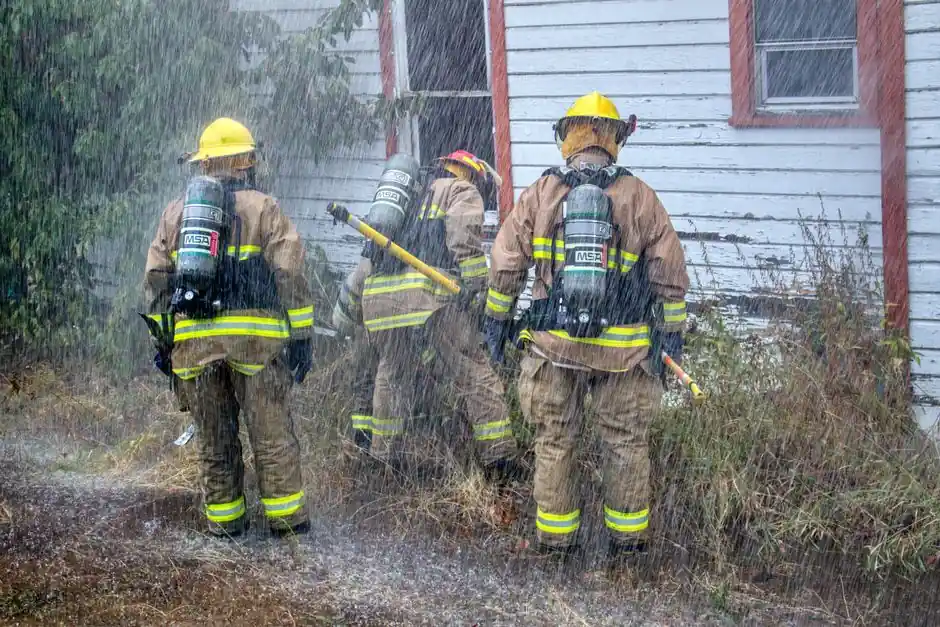
Moisture Mapping & Documentation
Full walkthrough with a moisture meter, thermal imaging camera and inspection camera. Every wet zone gets photographed and logged. You get the map, and so does your adjuster.
Every structural drying job includes moisture mapping, equipment setup, daily monitoring and a final dry-standard verification. We handle the drying itself, the documentation and the insurance paperwork. Rebuild work like drywall replacement and painting is available as an add-on once the structure is dry.
Full walkthrough with a moisture meter, thermal imaging camera and inspection camera. Every wet zone gets photographed and logged. You get the map, and so does your adjuster.
Air movers, refrigerant and desiccant dehumidifiers sized to the cubic footage and material load. Equipment runs 24/7 until the structure hits dry standard. We use Dri-Eaz and Phoenix Restoration Equipment units.
We return every day, take hygrometer and infrared thermometer readings, adjust equipment placement and log progress. You see the numbers move. No guessing about whether it is working.
Affected framing, subfloor and wall cavities get antimicrobial spray after extraction. This slows microbial growth during the drying window and is standard on every job we run.
Xactimate-formatted scope, moisture logs, thermal images and equipment photos. We bill your carrier directly and answer adjuster questions so the claim moves without delays.
We do not pull equipment until every affected material reads at or below its dry standard. You get a written dry-down summary and final readings for your records.
Structural drying is the controlled removal of moisture from building materials -- drywall, insulation, plywood, subfloor, baseboards and carpet padding -- using industrial air movers, dehumidifiers and daily moisture readings. We map the wet zone with a moisture meter and thermal imaging camera, set drying equipment, and monitor with a hygrometer until the structure matches a dry standard. It is not the same as mopping up standing water. Water wicks into cavities and stays there for weeks.
Tennessee homes get hit from every direction: frozen pipes in a January cold snap, roof leaks after spring storms, crawl space moisture that never dries out, and basement flooding from summer downpours. We see slab leaks in Middle Tennessee subdivisions and sewage backups in older Memphis and Knoxville housing stock. Left alone, wet framing hits mold growth in 24 to 48 hours. That is why Tennessee structural drying near me calls usually start with a phone call at midnight.
Five steps, start to finish. Most residential jobs run three to five days of active drying with daily monitoring visits.
Schedule
Call or book online — a real human picks up and confirms a 2-hour arrival window.
Diagnose
Licensed tech inspects on-site, then walks you through the cause and your options.
Fix
The job is completed to code and done right the first time — no shortcuts, no surprises.
Guarantee
Every job backed by a written workmanship warranty — and we stand behind it.
Moisture Meter
Pin and pinless readings on drywall, wood and concrete to establish the wet zone and track daily progress against dry standard.
Thermal Imaging Camera
Finds hidden moisture behind walls, under floors and in ceilings without cutting. We use it during the initial assessment and again at final verification.
Industrial Air Mover
High-velocity air movement across wet surfaces to speed evaporation. We angle them along walls at roughly 15 degrees for maximum surface contact.
Desiccant Dehumidifier
Pulls moisture from cool, dense air where refrigerant units struggle. Standard equipment on Tennessee crawl space and basement jobs.
Hygrometer and Infrared Thermometer
Measures relative humidity and surface temperature to calculate dew point and confirm the drying chamber is performing.
Water Extraction Pump and Wet/Dry Vacuum
Removes standing water from carpet, hard floors and low spots. We run RIDGID and Shop-Vac units alongside truck-mounted pumps.
Inspection Camera
Looks inside wall cavities and under subfloor without demolition, so we can confirm moisture without opening more than necessary.
IICRC S500 Standard
The drying industry standard we follow for water damage classification, dry standard determination and equipment sizing. Every job is scoped against S500 categories and classes, which is what your adjuster expects to see.
Applied Structural Drying (ASD) Protocol
Our ASD-certified techs calculate cubic footage, material porosity and humidity load, then stage equipment to hit dry standard in the shortest safe window. This is the difference between a four-day dry and a two-week mess.
Daily Moisture Monitoring
We log readings every day on every affected material and adjust equipment placement as zones dry. The log becomes your claim documentation and your proof the job was done right.
Antimicrobial Treatment
After extraction, affected framing, subfloor and wall cavities get antimicrobial spray. This slows microbial growth during the drying window and is standard on every job.
01
What we do: We extract standing water, pull wet carpet padding, and set air movers and dehumidifiers in all three rooms. Daily monitoring tracks the dry-down over four days.
→ Framing and subfloor hit dry standard, carpet is replaced, and the claim is approved with full documentation.
02
What we do: Extraction first, then moisture mapping behind baseboards and under the subfloor. We dry the wall cavities and cabinet toe kicks with targeted air movement.
→ No cabinet replacement needed, no mold, and the kitchen is back in service in under a week.
03
What we do: We tarp the roof, remove wet insulation, and run structural drying on the ceiling drywall and attic framing. Thermal imaging confirms the wet zone.
→ Ceiling and framing dry out without replacement, and the roof repair is scheduled separately.
04
What we do: We pump the water out, extract the remainder, and run desiccant dehumidifiers to dry the block walls and slab. We check the crawl space for moisture migration.
→ Basement is dry in four days, no musty smell, and the sump pump is replaced with a backup unit.
Tennessee's climate swings hard. January cold snaps freeze pipes in unheated crawl spaces and garages, and spring storm systems drive rain through roof flashing and window seals. Summer humidity sits above 70 percent for weeks, which slows evaporation and forces us to run more dehumidification capacity than crews in drier states. Older housing stock in Memphis, Knoxville and Chattanooga often has plaster walls and original hardwood subfloor that dry slower than modern drywall. Newer subdivisions in Middle Tennessee use engineered lumber and OSB, which wick water fast and need aggressive early extraction. We size equipment for the material, not the square footage. If you are searching for structural drying services near me Tennessee, we cover the whole state with crews staged regionally so response stays fast.
Downtown Memphis
Older brick and plaster construction holds moisture longer. We extend dry times and run extra dehumidification on these jobs.
East Nashville
Mix of renovated bungalows and new builds. Crawl space moisture is common, and we often pair drying with a vapor barrier install.
West Knoxville
Slab-on-grade homes with supply line leaks under the slab. We use thermal imaging to map the wet zone without demolition.
Chattanooga North Shore
River-adjacent properties see more basement seepage after heavy rain. Sump pump checks and slab drying are routine here.
Franklin Historic District
Pre-1978 homes require EPA Lead-Safe practices when we open walls. Our crews carry the certification for these jobs.
High summer humidity across the state
Evaporation slows and dehumidifiers work harder. We add desiccant capacity and extend monitoring on summer jobs.
Winter freeze events in Middle and East Tennessee
Frozen pipe bursts spike call volume. We stage extra crews and equipment during cold snaps to keep response times down.
Older housing stock with plaster and hardwood
Plaster and original hardwood dry slower than modern materials. We plan longer dry windows and monitor more frequently.
Crawl space construction common statewide
Crawl spaces trap moisture and feed mold year-round. We treat them as a separate drying zone with dedicated equipment.
Most Tennessee structural drying calls come from a handful of repeat offenders. Here is what we see and how we handle it.
Problem
Water wicks into drywall, insulation and subfloor for hours before you notice. By the time the ceiling stains show, mold has a head start and the repair bill climbs fast.
Our Fix
We locate the source, shut it down, extract standing water and open the wet cavity. Air movers and dehumidifiers dry the framing and subfloor to a documented standard. We photograph everything for your claim.
Problem
Standing water against block walls and a concrete slab keeps the whole basement humid for weeks. Framing, stored belongings and mechanicals all stay wet and start to smell.
Our Fix
We pump the water out with a sump pump and extraction equipment, then run structural drying on the slab, walls and any framing. We check the crawl space for migration and can install a vapor barrier afterward.
Problem
Tennessee humidity keeps crawl spaces damp year-round. Joists soften, insulation sags, and mold feeds on the wood. Floors above start to feel spongy and the house smells musty.
Our Fix
We remove standing water, run desiccant dehumidifiers to dry the joists and subfloor, treat with antimicrobial spray, and install a vapor barrier to keep ground moisture out long term.
Problem
Category 3 water carries bacteria and pathogens. Anything porous it touches -- carpet, padding, drywall -- has to go. The remaining structure still needs full drying and treatment.
Our Fix
We contain the area, remove contaminated materials, treat with mold remediation chemicals, then run structural drying on the framing and slab. Documentation is formatted for insurance from day one.
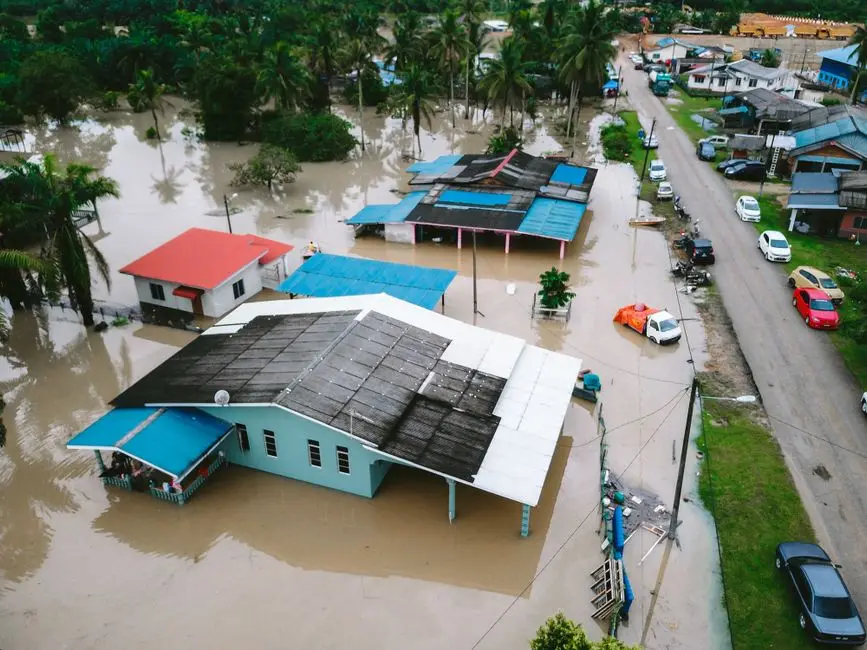
Drying a structure correctly is about hitting a documented dry standard, not guessing. Here is what that gets you.
Dry Standard, Not Guesswork
We take moisture meter readings on every affected wall, floor and cavity, then compare them to a dry standard for your material type. You get a printed daily log showing exactly where the numbers started and where they landed. No 'looks dry to me' sign-off.
Mold Stopped at 48 Hours
Mold growth starts within 24 to 48 hours of a water event. Our crews set drying equipment the same day we extract, which pulls the window shut before spores colonize. If mold already took hold, we bring in IICRC Mold Remediation Technician (MRT) certified techs and antimicrobial spray.
Insurance-Ready Documentation
Every job gets Xactimate-compatible moisture logs, thermal images and equipment placement photos. Adjusters approve claims faster when the paperwork is clean. We bill carriers directly and walk you through what your policy covers for structural drying after water damage in Tennessee.
Equipment Sized to the Job
A 1,200 sq ft basement needs different air mover counts than a 200 sq ft bathroom. We calculate cubic footage, humidity load and material porosity, then stage Dri-Eaz and Phoenix Restoration Equipment units accordingly. Undersized equipment is why DIY drying fails.
Typical 2026 pricing for structural drying in Tennessee runs $1,200 to $4,500 for a 500 to 1,500 sq ft affected area. Small bathroom jobs can land under $900. Large flooded basements with contamination push past $6,000. The number depends on how much water, how far it spread, what materials got wet and how long it sat before you called. We give you a written scope before equipment goes down, bill your insurance directly when the loss is covered, and never add line items you did not approve.
Typical Investment Range
$900 - $6,000+ depending on scope
You are paying for documented drying, not guesswork. The moisture logs, thermal images and dry-standard verification we produce are what keep your claim clean and your structure mold-free. Skipping proper drying costs far more when mold shows up six weeks later.
What changes the price
Affected Square Footage
More area means more equipment, more monitoring visits and more dry time. A 200 sq ft bathroom needs two air movers; a 1,200 sq ft basement needs a dozen plus multiple dehumidifiers.
Water Category and Class
Clean water from a supply line is category 1. Sewage backups are category 3 and require containment, material removal and antimicrobial treatment, which adds labor and disposal cost.
Material Types Affected
Carpet padding never dries in place and gets replaced. Plaster and hardwood dry slower than drywall and OSB, which extends the dry window and the monitoring visits.
How Long Water Sat
Water sitting 48 hours or more raises mold risk and often forces us to remove drywall and insulation instead of drying them in place. Fast calls cost less.
Access and Equipment Staging
Crawl spaces, finished basements and tight attics take longer to set up and monitor. Rural routes add travel time but not equipment cost.
Insurance Coverage
Sudden and accidental losses are usually covered. Gradual leaks and long-term moisture typically are not. We explain what your policy covers before we start.
Google ★★★★★4.9
Called at 11 p.m. about a burst pipe. Crew arrived in about an hour, extracted the water and set equipment. Daily monitoring for four days, and they handled the insurance paperwork. Could not ask for more.
Yelp ★★★★★4.8
Sewage backup in our basement. They contained it, removed the wet drywall and carpet, treated everything and dried the structure in five days. Professional, clean, and they explained every step.
BBB ★★★★★4.9
Crawl space had been damp for years. They dried the joists, installed a vapor barrier, and the musty smell is gone. Fair pricing and no upselling. Would use them again.
We run structural drying services Tennessee-wide, with crews staged across the state so response stays fast whether you are in a metro neighborhood or a rural route. Every city below gets the same certified techs, the same equipment and the same documented dry standard.
Slab leaks and older plaster walls are common in Knoxville. We use thermal imaging to map wet zones without demolition and run extended dry times on plaster.
Jackson crawl spaces trap moisture year-round. We dry joists with desiccant units and install vapor barriers to keep ground moisture out long term.
Brentwood's newer subdivisions use engineered lumber that wicks water fast. We extract aggressively on day one and monitor daily to hit dry standard in four days.
Farragut homes often have finished basements. We pump, extract and run desiccant dehumidifiers to dry block walls and slab without tearing out more than necessary.
Arlington sees storm-driven roof leaks and supply line failures. We tarp, extract and dry the affected framing and ceiling drywall to a documented standard.
Soddy Daisy properties near the water see more basement seepage. We check sump pumps, pump out standing water and dry the slab and walls.
Lenoir City homes mix older construction with new builds. We size equipment to the material type and monitor daily until every reading hits dry standard.
Brownsville crawl spaces and older hardwood floors dry slower. We plan longer windows and run extra dehumidification to prevent mold growth.
Dayton storm losses often start with a roof leak. We tarp, remove wet insulation and dry the ceiling framing and drywall with targeted air movement.
Sweetwater homes deal with frozen pipe bursts in winter. We extract fast, open wet cavities and dry the framing before mold has a chance to start.
McKenzie rural routes get the same certified crews and equipment. We stage regionally so response stays fast even outside the metro areas.
Mount Pleasant properties often have crawl space moisture issues. We dry joists with desiccant units and treat with antimicrobial spray before installing a vapor barrier.
Trenton sees summer storm flooding and winter freeze events. We keep crews and equipment staged nearby so response stays under two hours.
Tiptonville sits near the river and sees basement and crawl space seepage. We pump, extract and dry the structure with desiccant dehumidifiers.
Bean Station homes deal with high humidity and crawl space moisture. We dry the space, treat the wood and install a vapor barrier to keep it dry.
Real answers to the questions we hear most often from local homeowners and property managers.
Full-scope restoration from extraction through rebuild. Structural drying is the core phase, but we also handle drywall replacement, baseboard reinstall and paint so your Tennessee home comes back complete.
View Water Damage RestorationWhen a pipe bursts at 2 a.m., emergency water removal gets the standing water out fast. We roll 24/7 across Tennessee and start extraction the moment we arrive, which shortens the structural drying window.
View Emergency Water RemovalExtraction pulls standing water with pumps and wet/dry vacuums before drying equipment goes down. Skipping this step is the number one reason DIY structural drying fails. We extract, then dry.
View Water ExtractionFloodwater carries contaminants that regular water does not. We handle flood damage cleanup with antimicrobial spray and proper disposal, then run structural drying on the affected framing and subfloor.
View Flood Damage CleanupBasement flooding is common across Tennessee, from sump pump failure to foundation seepage. We pump it out, dry the slab and block walls, and check the crawl space for moisture migration.
View Basement Water RemovalSewage backups are category 3 water and require full containment. We remove contaminated materials, treat with mold remediation chemicals, then run structural drying on the remaining structure.
View Sewage Backup CleanupCall (855) 713-4896 any time, day or night. We answer live, ask a few questions about the source and the size of the loss, and dispatch the nearest crew. Most Tennessee metro calls get a truck in 60 to 90 minutes, and rural calls within two hours. You can also email [email protected] and we will call you back within 15 minutes.
Phone
(855) 713-4896Address
Tennessee
Hours
Mon–Fri: 7AM – 7PM
Sat: 8AM – 4PM
Sun: Emergency Only
24/7 Emergency Available