
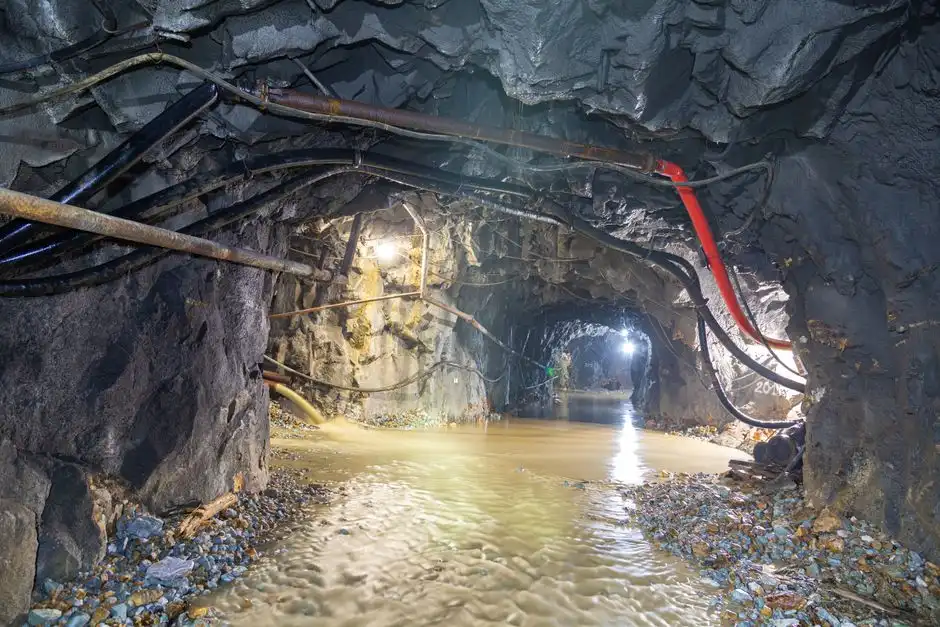
Emergency Water Removal
Truck-mounted pumps and wet/dry vacuums remove standing water from floors, carpets, and low-lying areas. We start pumping within minutes of arrival and keep going until the surface is dry to the touch.
Every water extraction job includes the core steps needed to get your home dry and documented. Add-on services like mold remediation, vapor barrier installation, or structural repairs are scoped separately after the initial inspection.
Truck-mounted pumps and wet/dry vacuums remove standing water from floors, carpets, and low-lying areas. We start pumping within minutes of arrival and keep going until the surface is dry to the touch.
We use a moisture meter, thermal imaging camera, and hygrometer to map exactly how far water has traveled. Photos and readings are logged for your insurance claim and for tracking drying progress.
After extraction, we apply antimicrobial spray to affected surfaces to slow mold growth while the structure dries. This is standard on every job, not an upsell.
Industrial air movers and dehumidifiers are positioned based on room size and material type. We return daily to check readings and adjust until your structure hits dry standard.
You get a written summary with photos, daily moisture readings, and a scope of work performed. We walk the space with you before we pull equipment so you can see the results firsthand.
Water Extraction in Tennessee is the physical removal of standing and trapped water from a structure using pumps, wet/dry vacuums, and weighted extraction wands, followed by measured drying. It is not a shop vac job. We pull water from carpet padding, subfloor, and wall cavities, then track moisture with a moisture meter and thermal imaging camera until readings match a dry standard. Skip that step and you get mold growth, warped baseboards, and a musty smell that never leaves.
Tennessee homes get hit from every direction. Frozen pipes crack in a January cold snap, slab leaks run silently under tile, and spring storms push water through crawl space vents from Memphis to Knoxville. Our crews handle Tennessee water extraction for slab foundations, pier-and-beam homes, and finished basements alike. If you are searching for professional water extraction near me after a pipe lets go at 2 a.m., we answer the phone and dispatch.
Every job follows the same sequence, whether it is a single room in Mount Juliet or a whole commercial floor in Knoxville. Here is exactly what happens from the moment you call.
Schedule
Call or book online — a real human picks up and confirms a 2-hour arrival window.
Diagnose
Licensed tech inspects on-site, then walks you through the cause and your options.
Fix
The job is completed to code and done right the first time — no shortcuts, no surprises.
Guarantee
Every job backed by a written workmanship warranty — and we stand behind it.
Truck-Mounted Water Extraction Pump
Moves hundreds of gallons per hour from flooded basements, crawl spaces, and commercial floors. The workhorse for any job with standing water.
Moisture Meter and Thermal Imaging Camera
Finds water hidden behind walls, under floors, and in ceiling cavities. We use these on every job to map the full extent of the damage before we start.
Industrial Air Mover and Dehumidifier
Dri-Eaz and Phoenix Restoration Equipment units positioned to create a calculated airflow pattern that pulls moisture out of materials and into the air for removal.
Wet/Dry Vacuum and Weighted Extraction Wand
Shop-Vac and RIDGID units for detail work, plus weighted wands that press water out of carpet and padding without tearing the fibers.
Hygrometer and Infrared Thermometer
Tracks relative humidity and surface temperature daily so we know when the structure has reached dry standard and equipment can be pulled.
Sump Pump and Inspection Camera
We inspect and test existing sump pumps, and use a camera to look inside walls and drains when the water source is not obvious.
IICRC S500 Standard
The IICRC S500 sets the industry standard for water damage restoration, including how to classify water, categorize contamination, and determine when a structure is dry. Every job we run follows it.
Moisture Mapping and Daily Monitoring
We map the full extent of water migration on day one, then log readings daily until dry standard is reached. This is what separates a real drying job from running a fan and hoping for the best.
Antimicrobial Application
After extraction and before drying, we apply antimicrobial spray to affected surfaces. It slows mold growth during the drying window, which is when most mold problems start.
Xactimate Estimating
We write scopes in Xactimate, the same software most insurance adjusters use. That means fewer questions, faster approvals, and a claim that moves without delays.
01
What we do: We shut off the main, extract water from the ceiling cavity and floor below, remove saturated drywall and insulation, and set drying equipment on both levels.
→ The structure dries in four to five days and the repair scope is documented for insurance.
02
What we do: Our crew extracts standing water from the laundry room and adjacent hallway, pulls wet carpet padding, and positions air movers and a dehumidifier.
→ The floor is dry in three days and the homeowner avoids a mold problem that would have cost thousands more.
03
What we do: We pump the crawl space, extract remaining water, dry the joists and subfloor, and install a vapor barrier to prevent recurrence.
→ The musty smell is gone, the floor stops feeling soft, and the homeowner gets a maintenance plan for future storms.
04
What we do: We extract the water, dispose of contaminated materials, disinfect the floor and drains, and dry the space with commercial-grade equipment.
→ The kitchen passes a health inspection and reopens the same week.
Tennessee water damage looks different depending on where you are. In Memphis and the Delta region, the water table runs high and crawl spaces stay damp year-round. In Nashville and Murfreesboro, rapid growth means new construction on graded lots where drainage problems show up after the first heavy rain. In East Tennessee, mountain runoff and older housing stock in towns like Jefferson City and Church Hill create their own challenges. Winter brings frozen pipes from Johnson City to Atoka, and spring storm season pushes water through roof leaks and foundation cracks statewide. Our crews carry equipment sized for all of it, from a single-room extraction in Mount Juliet to a multi-unit commercial job in Knoxville. We know the building codes, the soil, and the weather patterns that drive water damage in this state, and we use that to dry your home faster.
Antioch
Older ranch homes with pier-and-beam foundations are common here. Crawl space moisture and floor joist rot are frequent calls.
Cordova
Suburban Memphis neighborhood with slab-on-grade construction. Slab leaks and appliance failures are the most common water extraction calls.
Pigeon Forge
Heavy tourism means rental cabins and commercial properties. Storm-driven water intrusion and rapid turnaround times are the norm.
Clarksville
Cold winters and a mix of older and new construction. Frozen pipe bursts are the top winter call in this area.
Crossville
Plateau elevation means cooler temperatures and more freeze-thaw cycles. Crawl space and basement water issues are common.
Frozen pipes during winter cold snaps
Temperatures dropping below 20 degrees for extended periods cause pipe bursts in attics, crawl spaces, and exterior walls. We see a spike in emergency calls from December through February.
Spring storm season and heavy rainfall
March through May brings intense storms that overwhelm gutters, push water through roof leaks, and flood crawl spaces. We staff up during this window to keep response times short.
High water table in West Tennessee
Memphis-area homes deal with chronic ground moisture. Crawl spaces stay damp longer and sump pumps run more often, which means more failures and more extraction calls.
Clay soil and poor drainage in Middle Tennessee
Clay soil does not absorb water quickly. During heavy rain, water pools against foundations and finds its way into basements and crawl spaces across the Nashville metro.
Water damage does not fix itself. These are the most common situations we get called for across Tennessee and what happens if they are left alone.
Problem
Water wicks into drywall, baseboards, and subfloor within hours. Left overnight, carpet padding is ruined and mold can start in 24 to 48 hours.
Our Fix
We shut off the source, extract standing water, pull saturated carpet padding, and set drying equipment. Most rooms are dry in three to five days with daily monitoring.
Problem
A failed sump pump during a spring storm can leave six inches of water in a finished basement, destroying flooring, furniture, and stored belongings.
Our Fix
Our crews pump the standing water, extract from carpet and padding, and dry the concrete and framing. We also inspect the sump pump and recommend a replacement or backup system.
Problem
Standing water under a pier-and-beam home rots joists, warps floors, and feeds mold growth that circulates up into living spaces.
Our Fix
We extract the water, dry the joists and subfloor, and can install a vapor barrier to block ground moisture from returning. Most crawl space jobs are dry in four to six days.
Problem
Category 3 water carries bacteria and pathogens. Standard drying without proper disposal and disinfection leaves a health hazard behind.
Our Fix
We remove contaminated porous materials, extract the water, disinfect all affected surfaces, and dry the structure. Full PPE and safe disposal are standard on every sewage job.
Problem
Water travels along joists and drips far from the actual leak. Insulation loses R-value when wet and ceiling drywall can sag or collapse.
Our Fix
We trace the leak with a thermal imaging camera, extract water from the ceiling cavity, remove wet insulation, and dry the framing before repairs begin.
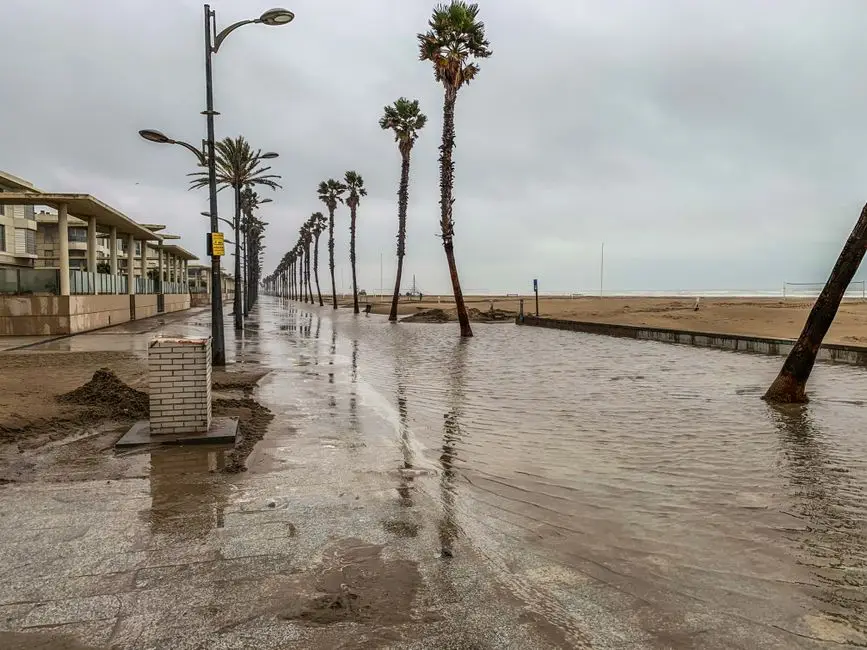
Standing water damages a home in hours, not days. These are the outcomes our customers care about most when they call after a burst pipe, a failed sump pump, or a flooded basement.
Water Out in Hours
Our truck-mounted extraction pumps move hundreds of gallons per hour, so a flooded basement that would take you a weekend with a Shop-Vac is dry to the touch in a single visit. Most residential jobs are pumped out in two to four hours.
Drying That Stops Mold
Mold can colonize wet drywall in 24 to 48 hours. We position industrial air movers and dehumidifiers the same day we extract, then log moisture readings with a hygrometer until your structure hits dry standard. That documentation is what protects your claim.
Insurance-Ready Documentation
We photograph affected areas, sketch the water migration path, and write moisture readings into an Xactimate-compatible report your adjuster can process. Most homeowners policies cover sudden water extraction services Tennessee residents need after a burst pipe or appliance failure.
One Crew, Start to Finish
The same team that extracts your water handles structural drying, antimicrobial spray, and any crawl space or basement water removal follow-up. No handoffs, no waiting on a second company to schedule you in.
Typical 2026 pricing for water extraction in Tennessee ranges from $180 to $450 for the extraction itself, with full drying packages running $1,200 to $3,500 depending on square footage and materials. Crawl space and basement jobs often land in the middle of that range. Category 3 sewage work costs more because of disposal and disinfection requirements. We give you a written scope before we start, and we bill directly to insurance when your policy covers the loss.
Typical Investment Range
$180 - $3,500 depending on scope
The cost of extraction and drying is a fraction of what mold remediation and structural repairs run when water damage is ignored. Getting it done right the first time protects your home and your wallet.
What changes the price
Square footage affected
A single room takes less time and equipment than a whole floor. Most residential jobs fall between 200 and 800 square feet of affected area.
Water category
Category 1 (clean water from a supply line) is the least expensive. Category 2 (gray water from appliances) and Category 3 (sewage) require additional PPE, disposal, and disinfection.
Material type
Carpet and padding are faster to extract than hardwood or tile over plywood. Dense materials hold water longer and require more drying time and equipment.
Access and layout
Crawl spaces and basements with limited access take longer to work in. Multiple stories or tight hallways slow equipment setup and extraction.
Drying time required
Most jobs dry in three to five days. Cooler temperatures, dense materials, or high humidity can stretch that to seven days, which adds monitoring visits and equipment rental days.
Google ★★★★★4.9
Called at 11 p.m. after a pipe burst in our upstairs bathroom. A crew was at the house in under two hours. They extracted the water, set equipment, and came back every day to check readings. The insurance report they gave us was thorough and our claim went through without a hitch.
Yelp ★★★★★4.8
We had sewage backup in our basement and did not know where to start. They walked us through the whole process, handled the disposal, and disinfected everything. The basement was dry in five days. Fair pricing and no surprises on the bill.
BBB ★★★★★4.9
Professional from the first phone call. They explained what water extraction involves, gave us a written scope, and stuck to it. The crew was respectful of our home and cleaned up after themselves. Would call them again without hesitation.
Our technicians hold IICRC Water Damage Restoration Technician (WRT) and Applied Structural Drying (ASD) certifications, with additional training in mold remediation and lead-safe work practices. We carry a Tennessee Contractor License and work to current state and local code on every repair. That means when we open a wall to dry a cavity, we put it back correctly. We use Xactimate for estimating so our numbers line up with what your adjuster expects to see, and our crews run OSHA-compliant job sites from the first pump to the final walkthrough.
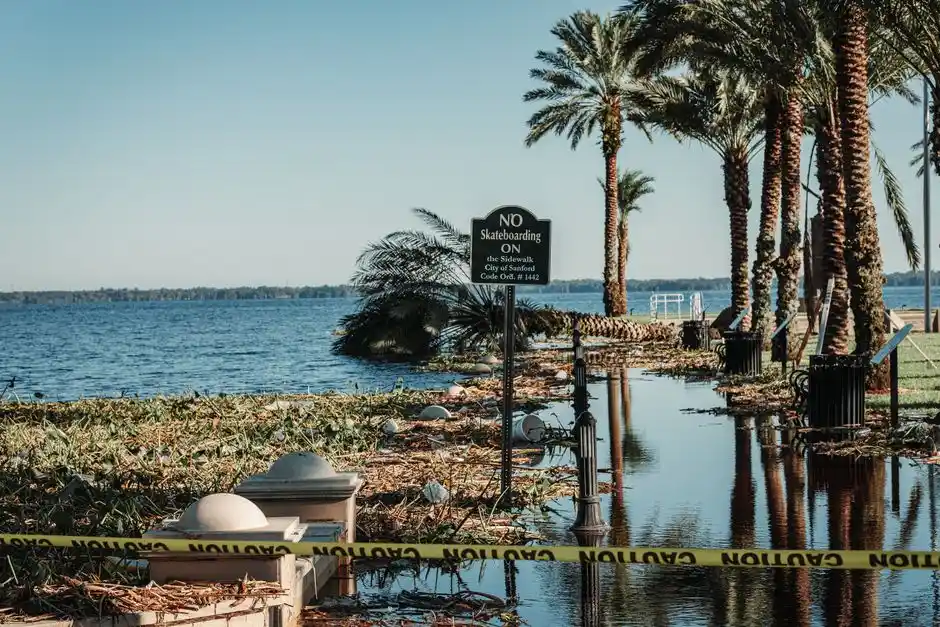
Water Damage Pros Tennessee delivers water extraction services Tennessee-wide, from small towns to major metros. Whether you are in a rural community like Whiteville or a fast-growing suburb like Mount Juliet, we have a crew that can reach you. Here are a few of the communities we serve regularly.
Rural homes on well water and septic systems are common here. We handle burst pipe extraction and crawl space water removal for properties on larger lots.
Older mill-era homes with pier-and-beam foundations. Crawl space moisture and floor joist drying are frequent calls in this area.
Fast-growing suburb with newer construction. We handle slab leaks, appliance failures, and storm-driven water intrusion for homeowners here.
Mix of established neighborhoods and new builds. Burst pipes and washing machine failures are our most common extraction calls in Mount Juliet.
Gateway to the Smokies with a mix of residential and rental properties. Storm water intrusion and roof leaks are common after heavy rain.
Growing community north of Nashville. We handle basement water removal and crawl space extraction for homes on larger lots.
Plateau elevation means colder winters and more freeze-thaw cycles. Frozen pipe bursts and crawl space flooding are our top calls here.
West Tennessee community with slab-on-grade construction. Slab leaks and appliance supply line failures are the most common extraction jobs.
East Tennessee town with older housing stock. We handle crawl space water removal and burst pipe extraction for homes in this area.
Rural community near Kingsport. Well water systems and older plumbing mean burst pipes and crawl space moisture are frequent calls.
Tourism-driven market with rental cabins and commercial properties. We handle storm damage extraction and rapid-turnaround drying for rentals.
Riverside community west of Nashville. Flood-driven water intrusion and basement flooding are common after heavy rain events.
Small rural community in Hardeman County. We serve homeowners with crawl space water removal and emergency extraction after storms.
Rural Middle Tennessee town. Crawl space flooding and well system failures are our most common water extraction calls here.
Fayette County community with a mix of older and newer homes. We handle burst pipe extraction and storm-driven water removal.
Real answers to the questions we hear most often from local homeowners and property managers.
Extraction is step one. Full water damage restoration covers repairs to drywall, baseboards, flooring, and paint after the structure is dry. We handle the whole sequence so you are not coordinating three different contractors.
View Water Damage RestorationWhen water is actively spreading, emergency water removal gets a crew to your door fast, shuts off the source, and starts pumping. Available 24/7 across Tennessee, including holidays and overnight calls.
View Emergency Water RemovalFloodwater carries silt, bacteria, and contaminants that standard extraction does not address. Flood damage cleanup adds sanitizing, antimicrobial treatment, and safe disposal of contaminated materials after the water is out.
View Flood Damage CleanupFinished and unfinished basements trap water against concrete walls and floors. We pump, extract from carpet and padding, and set drying equipment sized for below-grade spaces where humidity lingers.
View Basement Water RemovalSewage is Category 3 water and requires full PPE, removal of contaminated porous materials, and disinfection before drying. We handle the disposal and sanitizing so your home is safe to reoccupy.
View Sewage Backup CleanupStanding water under a pier-and-beam home breeds mold and rots joists. We extract, dry, and can install a vapor barrier to keep ground moisture from wicking back up into your floor system.
View Crawl Space Water RemovalCall (855) 713-4896 any time, day or night. We answer live, ask a few questions about the source and the size of the loss, and dispatch the nearest crew. Most Tennessee metro calls get a truck in 60 to 90 minutes, and rural calls within two hours. You can also email [email protected] and we will call you back within 15 minutes.
Phone
(855) 713-4896Address
Tennessee
Hours
Mon–Fri: 7AM – 7PM
Sat: 8AM – 4PM
Sun: Emergency Only
24/7 Emergency Available