
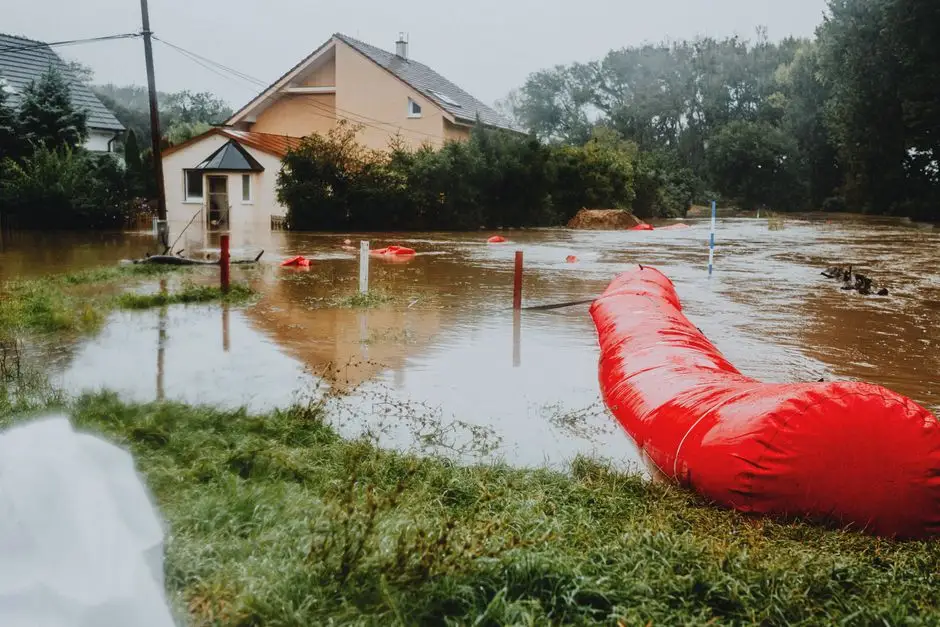
Your basement is flooding after heavy rain because water is finding a path through your foundation faster than your drainage system can move it away. In Tennessee, that usually means hydrostatic pressure from saturated clay soil, a failed or undersized sump pump, or a crack in the footing that lets groundwater seep in during a 2-inch-per-hour downpour. Basement flooding after heavy rain in Tennessee is rarely a single failure - it's the combination of soil type, storm intensity, and a drainage system that was never built for the volume this state gets.
We've pumped out hundreds of basements across Middle and East Tennessee, and the causes repeat. Below, we break down the seven most common reasons basements flood here, what to do in the first hour, and how to prevent basement flooding in Tennessee before the next storm season.
The Short Answer: Hydrostatic Pressure and Tennessee's Clay Soil
Why is my basement flooding after heavy rain in Tennessee is a question about water pressure, not just water volume. When 2 to 4 inches of rain falls in a few hours, the clay-heavy soil that covers most of Tennessee can't absorb it fast enough. That water saturates the ground around your foundation, and once the soil is full, the water has nowhere to go but against your basement walls and under your slab.
That force is called hydrostatic pressure. It pushes water through any gap it can find - hairline cracks in poured concrete, the seam where the wall meets the floor, mortar joints in block foundations, or the cove joint at the footing. A 1/16-inch crack in a basement wall can let in 2 to 3 gallons of water per hour under pressure. During a Tennessee spring storm, that adds up to inches of standing water before the rain even stops.
Tennessee gets roughly 50 inches of rain per year, and much of it arrives in intense spring and summer thunderstorms. The ground simply can't drain fast enough, so your basement becomes the lowest point where that water collects.
Why Does My Basement Flood in Tennessee? The 7 Most Common Causes
Basement water problems in Tennessee almost always trace back to one of these seven causes. Some are cheap to fix. Others require excavation or a full waterproofing system.
1. Sump Pump Failure or Undersized Capacity
A sump pump that's 10 years old, clogged with sediment, or sized for a 1-inch rain will quit during a 3-inch storm. Power outages - common in Tennessee thunderstorms - kill a pump that isn't on a battery backup. If your pump runs constantly during rain and still can't keep up, it's undersized for your water table.
2. Cracked or Porous Foundation Walls
Poured concrete cracks as it cures and shifts. Block foundations - common in homes built before 1980 across Nashville, Knoxville, and Chattanooga - have hundreds of mortar joints that water can push through. Once hydrostatic pressure builds, those joints weep.
3. Poor Grading and Negative Slope
If the ground slopes toward your house instead of away, every rainstorm sends surface water straight to your foundation. Tennessee's clay soil settles over time, and what was a positive slope when the house was built can reverse in 10 to 15 years. We see this constantly in older neighborhoods.
4. Clogged or Broken Foundation Drains
Homes built with perimeter drain tile - the perforated pipe that runs around the footing - rely on that pipe staying clear. Tree roots, sediment, and collapsed sections block it. Once blocked, water backs up against the foundation instead of draining to the sump pit or daylight.
5. Downspouts Dumping Too Close to the House
A downspout that discharges 18 inches from the foundation dumps hundreds of gallons right where you don't want it. Extensions should carry water at least 6 to 10 feet away, and splash blocks alone don't cut it during a Tennessee downpour.
6. Window Wells and Stairwells Without Covers
Basement windows and exterior stairwells are direct openings. Without a sealed cover or a drain at the bottom of the well, rainwater pours in like a funnel. This is one of the fastest ways to get 6 inches of water in a basement in under an hour.
7. Sewer or Storm Line Backup
When municipal storm sewers surcharge during heavy rain, water can back up through floor drains and utility sinks. This is sewage, not clean groundwater, and it requires a different cleanup process. If your basement floods only during the heaviest storms and the water smells, this is likely the cause.
How Tennessee's Climate and Soil Make Basement Flooding Worse
Tennessee's combination of clay soil, high annual rainfall, and intense convective storms creates conditions that make basement flooding after storm Tennessee events more likely than in many other states. The soil here - particularly the Nashville Basin and the Mississippi River lowlands near Memphis - is dominated by clay and shale that drains slowly. Water that falls in a 30-minute burst has nowhere to go but down and sideways.
We also sit in a region that gets 50 to 60 thunderstorm days per year, plus the occasional tropical system that pushes up from the Gulf. A storm that drops 4 inches in two hours overwhelms gutters, French drains, and sump pits that handle normal rain fine. That's why we tell homeowners to test their system with a garden hose before spring - if it can't move 20 gallons in 10 minutes, it won't survive a Tennessee storm.
Older homes in neighborhoods like water damage restoration Nashville Tennessee often have original clay tile drain lines that have collapsed or filled with roots. Newer construction isn't immune either - we see improperly compacted backfill that settles and creates a water channel straight to the foundation.
What to Do When Your Basement Floods in Tennessee
What to do when basement floods in Tennessee starts with safety, then speed. The first 24 to 48 hours determine whether you're looking at a cleanup or a mold remediation project.
- Cut the power to the basement at the breaker if you can reach it safely. If the panel is in the flooded area, call an electrician before you step in.
- Document everything with photos and video before you move anything. Your insurance adjuster will need it.
- Get the water out fast. A wet/dry shop vac handles an inch or two. Anything deeper needs a submersible pump or professional Basement Water Removal in Tennessee equipment.
- Remove wet items - cardboard, rugs, furniture, drywall that's soaked above the baseboard. Mold can start growing in 24 to 48 hours.
- Run dehumidifiers and fans continuously. Tennessee's summer humidity means a wet basement stays wet for weeks without mechanical drying.
- Call your insurance company and a water damage professional the same day.
If the water came up through a floor drain or toilet, treat it as contaminated. Sewage backup cleanup requires PPE, antimicrobial treatment, and proper disposal - don't try to handle it with a shop vac and a mop.
Common Mistakes Homeowners Make After a Basement Flood
The most expensive mistake we see is waiting. Homeowners assume the water will drain on its own or that a few fans will dry it out. In Tennessee's humid climate, a basement that stays wet for 72 hours will grow mold - usually behind the drywall where you can't see it until it smells.
Other mistakes:
- Only drying the visible water. Water wicks up drywall 12 to 18 inches and soaks into concrete. If the surface feels dry but the baseboard is soft, you still have a problem.
- Running a shop vac for 20 minutes and calling it done. A wet/dry vac removes surface water. It doesn't dry the slab, the framing, or the air.
- Skipping the insurance claim because you think it's not covered. Some policies cover sump pump failure or sewer backup as an endorsement. Read your policy before you assume.
- Fixing the water without fixing the cause. If you dry the basement but don't address the grading, the drain tile, or the sump pump, the next storm puts you right back where you started.
- Ignoring the smell. A musty odor after a flood means mold is already growing. That's a Mold Remediation in Tennessee job, not a DIY project.
How to Prevent Basement Flooding in Tennessee
How to prevent basement flooding in Tennessee comes down to managing water before it reaches your foundation. You can't stop the rain, but you can control where it goes.
Start with the cheap fixes. Clean your gutters twice a year - once in late fall after the leaves drop, once in early spring. Add downspout extensions that carry water 6 to 10 feet from the foundation. Regrade the soil around your house so it slopes away at a minimum of 6 inches over the first 10 feet. These three steps alone prevent a surprising number of basement floods.
Next, test your sump pump. Pour 5 gallons of water into the pit and time how long it takes to discharge. If it takes more than 30 seconds or the pump cycles on and off, it's failing. Install a battery backup - Tennessee storms knock out power regularly, and a backup pump is the difference between a dry basement and a flooded one.
For homes with recurring problems, basement waterproofing for heavy rain Tennessee conditions usually means interior drain tile, a sealed vapor barrier, and a properly sized sump system. That's a $4,000 to $12,000 investment depending on basement size and access, but it's cheaper than replacing a finished basement every three years.
If you're in an area with older homes and mature trees - places like water damage restoration Franklin Tennessee - have your perimeter drain scoped with a camera. Root intrusion and collapsed clay tile are common, and you won't know until the next storm.
When to Call a Professional
Call a professional when the water is deeper than 2 inches, when it came from a sewer or floor drain, when you see mold or smell mustiness, or when your sump pump runs but can't keep up. Those are signs the problem is bigger than a wet vac and a dehumidifier.
At Water Damage Pros Tennessee, we handle the whole job - extraction, structural drying, mold prevention, and repairs. We use moisture meters and thermal cameras to find water you can't see, and we dry the structure to IICRC standards so you're not dealing with mold six weeks later. We serve homeowners across the state, from water damage restoration Knoxville Tennessee to Memphis and everywhere in between.
If you're dealing with a flooded basement right now, don't wait. The faster we get water out and air moving, the less damage you pay for.
Frequently Asked Questions
Why is my basement flooding after heavy rain in Tennessee?
Hydrostatic pressure from saturated clay soil pushes groundwater through foundation cracks, the cove joint, or a failed sump pump. Tennessee's 50 inches of annual rain and intense storms overwhelm drainage systems that handle normal rain fine. Most floods trace to sump failure, poor grading, or clogged drain tile.
How do I stop my basement from flooding in Tennessee?
Clean gutters, extend downspouts 6 to 10 feet from the foundation, regrade soil to slope away, and test your sump pump with 5 gallons of water. If those don't work, interior drain tile and a sealed waterproofing system stop water before it enters. Most homeowners start with the $200 fixes and escalate from there.
Does homeowners insurance cover basement flooding in Tennessee?
Standard policies cover sudden accidental discharge - like a burst pipe or water heater failure - but not groundwater seepage or surface flooding. Sump pump failure and sewer backup coverage are usually add-ons. Check your policy or call your agent before you file. Flood insurance is separate and runs through FEMA or private carriers.
What causes basement flooding in Tennessee?
The seven most common causes are sump pump failure, cracked foundation walls, poor grading, clogged foundation drains, downspouts dumping too close, uncovered window wells, and sewer backup. Clay soil and 50 inches of annual rain make all seven more likely here than in drier states.
How to fix basement flooding in Tennessee?
Fix the source first - regrade, extend downspouts, repair cracks, and replace or back up the sump pump. Then dry the space completely with dehumidifiers and fans, or call a professional for extraction and structural drying. Skipping the drying step leads to mold within 48 to 72 hours.
Get Help with Water Damage in Tennessee
If your basement is flooded right now, every hour you wait means more water wicking into drywall, framing, and insulation. We extract the water, dry the structure, and stop the mold before it starts.
Call Water Damage Pros Tennessee at (855) 713-4896 for emergency basement water removal and a free assessment of what's causing the flood.