
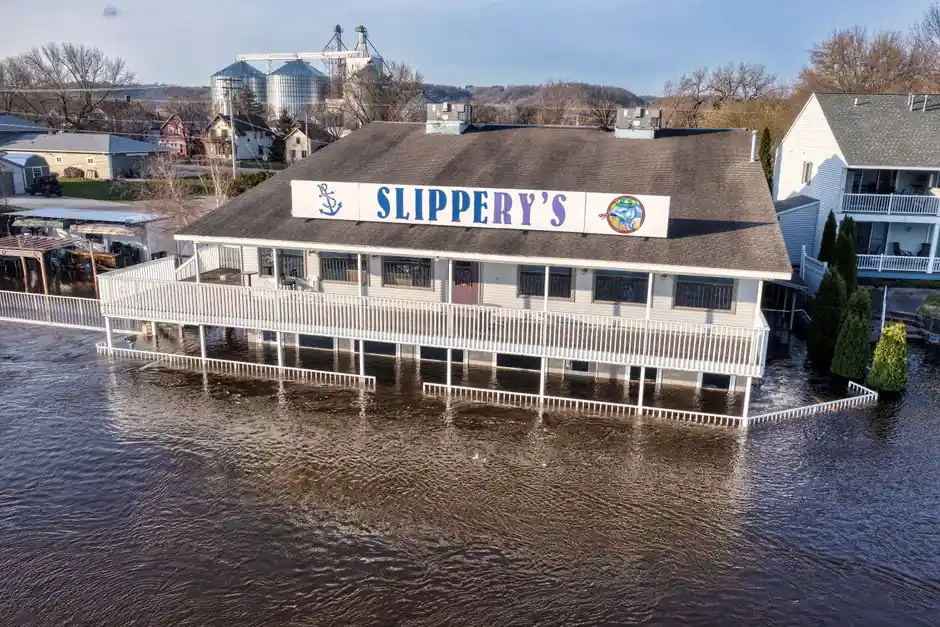
Water extraction is the physical removal of standing water from your floors, carpets, and low areas using pumps and wet vacuums. Structural drying is the slower process that follows - using air movers and dehumidifiers to pull moisture out of drywall, wood framing, subfloor, and concrete that still feels damp even after the puddle is gone. You need extraction first because you cannot dry a room that is still holding water. You need structural drying second because extraction alone leaves enough moisture behind to rot framing and grow mold within 24 to 48 hours.
Most homeowners in Tennessee call us after a burst pipe, a failed water heater, or a storm pushes water under a door. They see the puddle, they mop it up, and they think the problem is solved. It is not. The water that soaked into the baseboards and the subfloor is the part that causes the $8,000 repair bill three months later. This article walks through what each step actually does, when you need one versus the other, and how long the whole job takes in a Tennessee home.
The short answer: two different jobs, two different tools
Water extraction and structural drying are two separate phases of the same restoration job, and confusing them is the most common mistake we see. Extraction is mechanical and fast - it takes hours, not days. Drying is scientific and slow - it takes days, not hours. If you skip extraction, your drying equipment fights a losing battle against water it cannot reach. If you skip drying, the water you cannot see keeps damaging the house long after the visible puddle is gone.
Think of it like a wet sponge. Extraction is wringing the sponge out. Structural drying is leaving that wrung-out sponge on a rack with a fan blowing across it until every last bit of moisture evaporates. You cannot dry a soaking-wet sponge in a reasonable amount of time, and you cannot wring a sponge dry enough to prevent mold on its own. You need both steps, in order.
Here is the clean breakdown:
- Water extraction - removes standing water and bulk moisture. Uses pumps, wet vacuums, and weighted extraction tools. Takes 1 to 4 hours for a typical room.
- Structural drying - removes trapped moisture from building materials. Uses air movers, dehumidifiers, and sometimes injectidry or floor mat systems. Takes 3 to 5 days for most Tennessee homes.
If you are dealing with a flooded basement or a storm that pushed water through a doorway, our team handles both phases under one roof. You can see the full scope of what we do on our Water Damage in Tennessee page, but the rest of this article explains the difference in plain terms.
What is the water extraction process in Tennessee?
The water extraction process in Tennessee starts the moment we walk in and identify the water source - because extracting water from a house with an active leak is like bailing out a boat with a hole in it. We shut off the supply line, stop the leak, or block the storm intrusion first. Then extraction begins.
Here is what that looks like step by step:
- Water source control. Shut off the main valve, kill power to affected areas, and confirm the water is not coming from a sewage line. Sewage-contaminated water changes the safety protocol entirely.
- Standing water removal. We use submersible pumps for anything deeper than two inches, and truck-mounted or portable wet vacuums for shallower water. A typical flooded basement in a 1,200-square-foot home holds 300 to 500 gallons, and a good pump moves 50 to 100 gallons per minute.
- Carpet and pad extraction. Weighted extraction tools press down on carpet while pulling water up. If the pad is soaked, we pull it and discard it - pad rarely dries fast enough to save, and leaving it invites mold.
- Hard surface extraction. We use squeegees and wet vacuums on tile, vinyl, and concrete. Water hides in the grout lines and under baseboards, so we check those with a moisture meter before moving on.
- Moisture mapping. Before drying starts, we map the room with a thermal camera and pin-type moisture meters. This tells us exactly where the water traveled - and it always travels farther than it looks.
Extraction is the step that stops the active damage. Every hour you wait, water wicks higher into drywall and deeper into subfloor. In a Tennessee home with hardwood floors, water can wick up the edges of a board within 30 minutes and start cupping the finish within 12 hours. That is why we treat extraction as an emergency, not a scheduled appointment.
For water that has entered through a storm event - a swollen creek, a backed-up drain, or wind-driven rain - the extraction step is often paired with debris removal and sanitizing. You can read about that side of the work on our Storm Damage Restoration in Tennessee page. The key point here is that extraction is always the first physical step, no matter how the water got in.
What is structural drying in Tennessee?
Structural drying in Tennessee is the controlled process of removing moisture from building materials after the standing water is gone. It is not "pointing a fan at the floor." It is a calculated drying system that balances air movement, temperature, and dehumidification to pull moisture out of wood, drywall, and concrete without causing secondary damage like warping or cracking.
Here is what actually happens during structural drying:
- Air movers. High-velocity fans create a vortex of air across wet surfaces. This speeds evaporation. A typical 12x12 room needs 4 to 6 air movers positioned at specific angles - not just scattered around.
- Dehumidifiers. As moisture evaporates into the air, dehumidifiers pull it out. Without them, you are just moving water from the floor into the air and back again. We use refrigerant dehumidifiers for most jobs and desiccant dehumidifiers for cooler, drier conditions.
- Specialty drying tools. For water trapped behind walls, we use injection drying systems that blow air into wall cavities. For hardwood floors, we use floor mat systems that pull moisture down through the boards. For crawl spaces, we use low-profile air movers and lay-flat ducting.
- Daily monitoring. We check moisture readings every 24 hours. Drying is not a set-it-and-forget-it job. If a wall cavity is not drying fast enough, we adjust equipment or add more. If it is drying too fast, we dial it back to prevent cracking.
The goal is to bring the moisture content of every affected material back to its normal equilibrium - typically 8 to 12 percent for wood framing in Tennessee's climate. We do not pack up equipment until the meters confirm it. If you have ever had a contractor pull fans after two days and call it done, you know why that matters. Mold can start growing in as little as 24 hours in a damp wall cavity, and it does not need standing water to thrive.
Structural drying is also where crawl space and basement jobs get tricky. Water in a crawl space does not evaporate on its own - it sits there and feeds mold. Our Crawl Space Water Removal in Tennessee service pairs extraction with long-run drying because that space has no natural airflow. If you are in an older Nashville neighborhood where homes sit on piers and have original crawl spaces, this step is not optional.
When do you need water extraction vs drying in Tennessee?
You need water extraction when there is visible standing water, saturated carpet, or water pooled in a low area. You need structural drying when the water is gone but materials still feel damp, look discolored, or read high on a moisture meter. In most real jobs, you need both - extraction first, drying second.
Here is a simple decision guide:
- Extraction only (rare): A small spill on a sealed concrete floor that you dry within an hour. Even then, we recommend running a fan for 24 hours.
- Extraction + drying (common): A burst pipe that soaked carpet and drywall. A water heater failure that flooded a utility room and seeped into the hallway. A washing machine hose that let go while you were at work.
- Drying only (uncommon): A slow leak behind a wall that never produced standing water but kept the drywall and framing damp for weeks. This is the mold job you did not know you had.
Tennessee's climate makes this decision more urgent than in drier states. Our average relative humidity sits between 65 and 75 percent for much of the year. That means a wet wall in Tennessee dries slower than the same wall in Arizona. We see mold growth in as little as 48 hours in the summer months because the air itself is already holding moisture.
If you are in a low-lying area near the Cumberland River or in a neighborhood with older storm drainage, storm-driven water is a recurring problem. Our Water Damage in Nashville page covers the specific challenges we see in Davidson County, but the extraction-versus-drying logic applies everywhere. If water touched it, it needs to be extracted and then dried. There is no shortcut.
How long does structural drying take after water extraction in Tennessee?
Structural drying after water extraction takes 3 to 5 days for most Tennessee homes. A small, contained job - one room, no wall cavity involvement - can dry in 2 to 3 days. A whole-floor job with water behind baseboards and under hardwood can take 5 to 7 days. Crawl spaces and basements often take the longest because they have limited airflow and cooler temperatures.
Here are the variables that push drying time up or down:
- Water category. Clean water from a supply line dries faster than gray water from a washing machine or black water from a sewage backup. Contaminated water requires removal of more materials, which extends the job.
- Material type. Carpet and pad dry in 1 to 2 days. Drywall dries in 2 to 3 days if we can save it. Hardwood floors take 4 to 7 days with mat drying. Concrete slabs take the longest - up to 10 days in some cases.
- How fast you called. Water that sat for 24 hours before extraction takes roughly twice as long to dry as water extracted within 4 hours.
- Outdoor conditions. Drying in July in Tennessee means the dehumidifiers are working against 80 percent outdoor humidity. Drying in January is faster because the air is drier, but we have to heat the space to keep evaporation going.
We give every customer a drying timeline on day one and update it daily. You will know exactly what the moisture readings are and when we expect to pull equipment. No guessing.
What to watch out for
The biggest mistake homeowners make is assuming the job is done when the floor feels dry to the touch. Surface dryness is not structural dryness. Here are the traps we see most often:
- Pulling equipment too early. A fan running for 24 hours makes the surface feel dry while the wall cavity behind it stays at 25 percent moisture content. That is a mold farm.
- Skipping the moisture map. Water travels along joists and subfloor toward the lowest point. If you only dry the room where the leak happened, you miss the water that pooled under the adjacent hallway.
- Using household fans and a dehumidifier from the hardware store. A consumer dehumidifier pulls 30 pints per day. A professional unit pulls 130 pints per day. The math is not close.
- Not removing wet insulation. Insulation that stays wet compresses and loses R-value. It also holds moisture against the framing. We pull it, dry the cavity, and replace it.
- Ignoring the HVAC system. If water entered the ductwork, running the AC spreads moisture and potential contaminants through the whole house. We inspect and clean ducts when needed.
One more: do not trust a contractor who says they can dry your house in one day. Physics does not work that way. Drying is a process, and the process takes time.
When to call a professional
Call a professional when the water covers more than a small area, when it has been sitting for more than a few hours, when it came from a sewage line or storm surge, or when you can smell that musty odor that means mold is already growing. Those are the jobs where DIY extraction and a box fan will cost you more in the long run than hiring a crew.
At Water Damage Pros Tennessee, we handle both extraction and structural drying with our own equipment and our own trained technicians. We do not subcontract the drying phase to a third party. That means one point of contact, one timeline, and one team accountable for the result. If you are in Antioch, Hermitage, or anywhere in the Nashville area, we can be on-site the same day.
We also handle the cleanup that comes after a sewage backup - a job that requires extraction, disinfection, and drying in a specific order. You can read about that on our Sewage Backup Cleanup in Tennessee page. The principle is the same: extract first, dry second, verify with meters before you call it done.
Frequently Asked Questions
What is the difference between water extraction and structural drying in Tennessee?
Water extraction removes standing water with pumps and wet vacuums - it takes 1 to 4 hours. Structural drying removes trapped moisture from walls, floors, and framing with air movers and dehumidifiers - it takes 3 to 5 days. You need extraction first, then drying, to prevent mold and rot.
Do I need water extraction or structural drying in Tennessee?
If you see standing water or soaked carpet, you need extraction. If materials still feel damp or read high on a moisture meter after the water is gone, you need structural drying. Most Tennessee water damage jobs require both steps in sequence.
How long does structural drying take after water extraction in Tennessee?
Plan on 3 to 5 days for a typical Tennessee home. Small contained jobs dry in 2 to 3 days. Whole-floor jobs with hardwood or crawl space involvement take 5 to 7 days. Drying time doubles if water sat for 24 hours before extraction.
What is the water extraction process in Tennessee?
We stop the water source, pump out standing water, extract carpet and hard surfaces with weighted tools, then map moisture with thermal cameras and meters. Extraction takes 1 to 4 hours for a standard room and stops active damage immediately.
What is structural drying in Tennessee?
Structural drying is a controlled system of air movers, dehumidifiers, and specialty tools that pulls moisture out of building materials. We monitor moisture readings every 24 hours and do not remove equipment until wood framing reads 8 to 12 percent moisture content.
Get help with Water Damage in Tennessee
If your home or business has water where it should not be, call us before you do anything else. We will tell you over the phone whether you need extraction only or full structural drying, and we will give you a straight answer on cost before we start.
Call Water Damage Pros Tennessee at (855) 713-4896. We answer 24/7 and we dispatch same-day across Tennessee.