
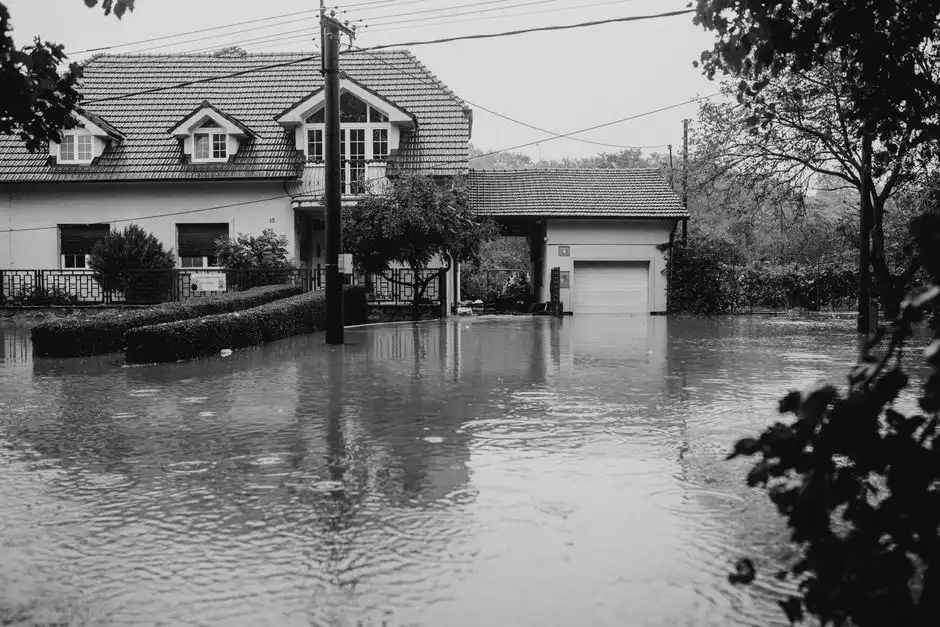
Emergency water removal is the fast extraction of standing water from your home, while full restoration is the complete process of drying, cleaning, repairing, and rebuilding everything the water damaged. If water is still pooled on your floor right now, you need emergency removal today. If the water is gone but walls, floors, or ceilings are wet, stained, or starting to smell, you need full restoration.
Most Tennessee homeowners call us because they cannot tell which situation they are in. This guide breaks down both processes, the specific signs that point to each one, and what to expect on cost and timeline in 2026.
The short answer: removal vs restoration
Emergency water removal vs full restoration comes down to one question: is the water still there, or has it already soaked into the structure? Removal is the first phase. Restoration is everything that follows.
Emergency water removal is a service that extracts standing water and stops the source, typically within the first 24 to 48 hours of a leak, burst pipe, or backup. Full water damage restoration is the broader process that dries the structure, removes contaminated materials, treats for mold, and rebuilds what cannot be saved.
Think of it this way. Removal gets the water out. Restoration gets your home back. Some jobs need only the first. Most jobs that involve more than a shallow puddle need both.
What emergency water removal actually does
Emergency water removal in Tennessee is a same-day service that pulls standing water out of a home using truck-mounted extraction equipment, then measures how far moisture has traveled. It is not the same as mopping up or running a shop vac.
Here is what our team does on a typical emergency call:
- Shut off the water source or confirm it is already off.
- Extract standing water with high-capacity pumps and wet vacuums.
- Pull up carpet, pad, and any floating debris that traps moisture.
- Take moisture readings in walls, subfloor, and baseboards.
- Set up air movers and dehumidifiers if drying is needed.
Extraction alone removes the visible water. It does not dry the structure. A subfloor can hold two to three gallons of trapped water per square foot even after the surface looks dry to the touch.
If you are dealing with a flooded lower level, we handle Basement Water Removal in Tennessee with the same equipment, plus sump checks and foundation-wall moisture mapping.
When do you need emergency water removal in Tennessee?
You need emergency water removal in Tennessee the moment water is still actively pooling, rising, or spreading across a floor. Waiting even a few hours lets it wick into drywall, subfloor, and framing.
Call for emergency removal if any of these are true:
- Water is still running or dripping from a pipe, appliance, or fixture.
- Standing water covers any part of a floor.
- A toilet, tub, or washing machine has overflowed.
- Sewage or gray water has backed up into the home.
- A storm has pushed water through a door, window, or foundation crack.
Tennessee's weather makes this a year-round problem. November through March brings freeze-thaw cycles that split copper supply lines in older homes. April and May bring the heavy spring storms that overwhelm sump pumps and window wells. Each season produces the same call: water where it should not be.
If you are not sure whether the situation qualifies, call anyway. A 10-minute phone assessment costs nothing, and we can tell you whether you need a truck today or a drying plan tomorrow.
What full water damage restoration involves
Full water damage restoration in Tennessee is the complete process of returning a water-damaged home to its pre-loss condition, including drying, cleaning, material removal, and rebuild. It starts where emergency removal ends.
The water damage restoration process in Tennessee follows a standard sequence:
- Inspection and moisture mapping. We use thermal cameras and pin meters to find water behind walls and under floors.
- Water extraction. Any remaining standing water is removed.
- Structural drying. Air movers and dehumidifiers run for 3 to 5 days, sometimes longer in humid months.
- Antimicrobial treatment. Affected surfaces are treated to slow mold growth.
- Material removal. Wet drywall, insulation, and flooring that cannot be saved are cut out.
- Repairs and rebuild. Drywall, paint, flooring, trim, and fixtures are replaced.
Drying is the part homeowners underestimate. A standard 12x14 room with wet drywall needs four to six air movers and one large dehumidifier running continuously. Turning them off early because the room "feels dry" is how mold starts.
When water comes from a storm rather than a plumbing failure, the scope often includes roof, siding, and window damage. That is a different workflow, and we handle it as Storm Damage Restoration in Tennessee.
How to know which one your situation calls for
How to know if you need water damage restoration in Tennessee versus simple extraction usually comes down to three factors: how long the water sat, what kind of water it was, and what materials it touched.
Factor 1: How long the water has been there
Under 24 hours, most clean-water spills need extraction and light drying. Over 48 hours, assume the structure is saturated and plan for full restoration. Mold can begin colonizing wet drywall in as little as 24 to 48 hours in a warm, humid Tennessee home.
Factor 2: What kind of water it is
Clean water from a supply line is the easiest category. Gray water from a washing machine or dishwasher needs more aggressive cleaning. Black water from sewage or outdoor flooding is a contamination event, not a spill. That always requires full restoration, including removal of porous materials. We treat those calls as Sewage Backup Cleanup in Tennessee because the health risk is different from a clean-water leak.
Factor 3: What materials got wet
Tile and concrete often survive with drying alone. Carpet pad, laminate, engineered hardwood, and drywall usually do not. If water reached the subfloor or wall cavity, you are in restoration territory.
If you are in one of the older neighborhoods around Nashville, we see this constantly. Homes in Water Damage in Nashville often have original 1950s plumbing and pier-and-beam foundations, which means water travels farther under the house than the homeowner expects.
Common mistakes we see on Tennessee water damage calls
The most expensive water damage mistakes we see in Tennessee homes are the ones made in the first 24 hours, before anyone calls a professional.
- Running a shop vac and calling it done. A wet/dry vac pulls surface water. It does not dry a subfloor.
- Pointing a box fan at the wet spot. Household fans move air but do not remove moisture from the air, so the room stays humid.
- Waiting to see if it dries on its own. It will not. Water in a wall cavity has nowhere to go.
- Pulling up carpet but leaving the pad. Carpet pad is a sponge. If it got wet, it has to go.
- Skipping the moisture reading. The visible wet area is almost always smaller than the actual wet area.
One more: homeowners sometimes assume their insurance will not cover the work, so they skip the call. In most Tennessee policies, sudden and accidental water damage is covered. Long-term seepage is not. The difference is often documented by the moisture readings we take on the first visit.
When to call a professional
Call a professional when water has been sitting for more than a few hours, when it came from a sewage line, or when it reached a wall, ceiling, or subfloor. Those three conditions put the job past what a wet/dry vac and a fan can fix.
Water Damage Pros Tennessee handles both sides of the job: emergency extraction and full restoration. We run moisture readings on arrival, show you what we find, and give you a flat price before we start. If the job only needs extraction, that is what we do. If it needs the full process, we walk you through each phase.
For homeowners outside the immediate Nashville area, we also cover the surrounding communities. If you are in Water Damage in Murfreesboro or anywhere in the greater region, our team can be on-site the same day in most cases.
Frequently Asked Questions
What is the difference between emergency water removal and restoration in Tennessee?
Emergency water removal extracts standing water and stops the source, usually within 24 hours. Restoration is the full process that follows: drying, cleaning, removing damaged materials, and rebuilding. Removal is one step inside restoration when both are needed.
Do I need emergency water removal or full restoration in Tennessee?
If water is still pooled or actively spreading, you need emergency removal now. If the water is gone but walls, floors, or ceilings are wet, stained, or starting to smell, you need full restoration. Most jobs that involve more than a shallow spill need both.
When should I call for emergency water removal in Tennessee?
Call the moment water is still running, pooling, or spreading. The first 24 to 48 hours decide whether the job stays small or turns into a full restoration. Sewage backups and storm flooding should be called in immediately, day or night.
How long does full water damage restoration take in Tennessee?
Drying alone runs 3 to 5 days. Full restoration, including drywall and flooring replacement, usually takes 1 to 3 weeks depending on scope and material availability. Larger jobs with structural repairs can run 4 to 6 weeks.
Does insurance cover emergency water removal in Tennessee?
Most Tennessee homeowner policies cover sudden and accidental water damage, including extraction and drying. Long-term seepage and neglected maintenance are typically excluded. We document moisture readings and photos on the first visit to support your claim.
Get help with Water Damage in Tennessee
Whether you need emergency extraction tonight or a full restoration plan for a slow leak that finally showed itself, we can help. Our team serves homes across Tennessee with same-day response and upfront pricing.
Call Water Damage Pros Tennessee at (855) 713-4896 and we will tell you exactly which service your situation needs.